From life-saving medical devices to the world’s first guided missile, Ireland’s inventions span the entire globe.
Ireland is not only famous for its literature and music, but it has also invented some remarkable things.
While many of these inventions were born of necessity, others have solved complex mechanical problems or transformed modern medicine. Here are ten things Ireland invented that changed the world.
10. The Submarine –a revolution in naval warfare
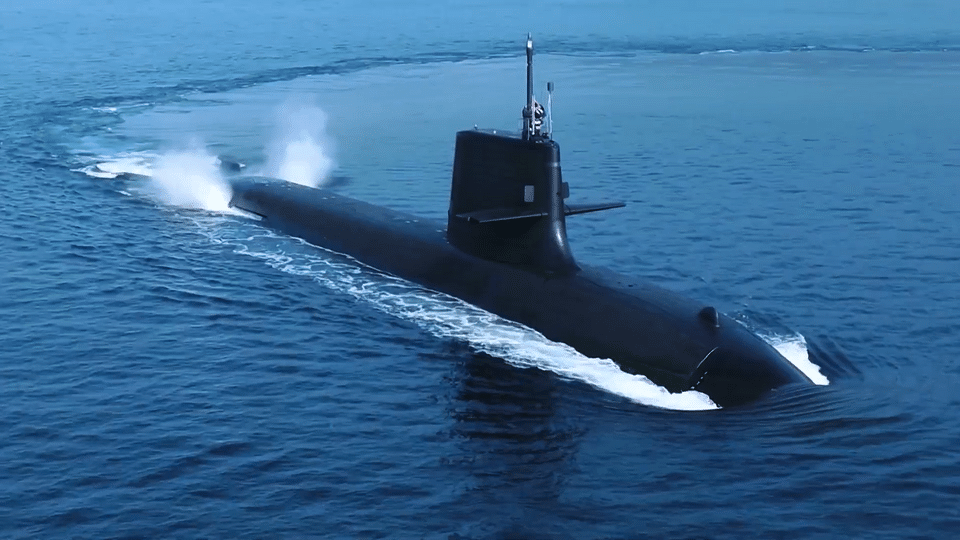
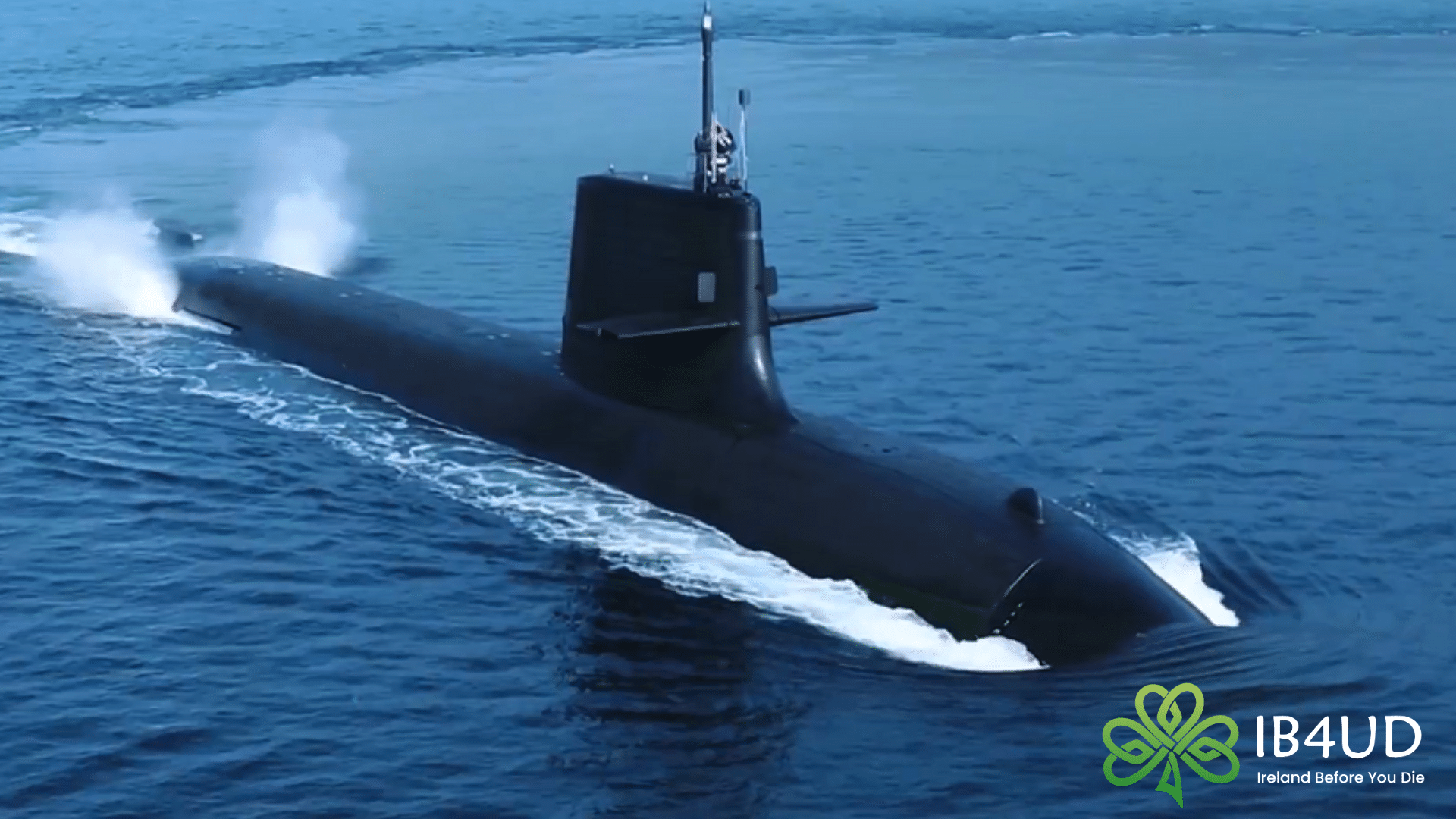
The submarine has paved the way for deep-sea exploration and military strategy for the US and British navies.
In 1897, Irish-born John Philip Holland invented the first functional submarine that used electric motors and gasoline engines to operate underwater and on the surface.
His designs were later accepted and commissioned for use by the US Navy, setting the standard for modern naval warfare.
Today, Holland is celebrated as the father of modern submarine travel, with his technology enabling people to reach depths of the ocean that were previously inaccessible.
9. The portable defibrillator – saving lives in every corner of the world
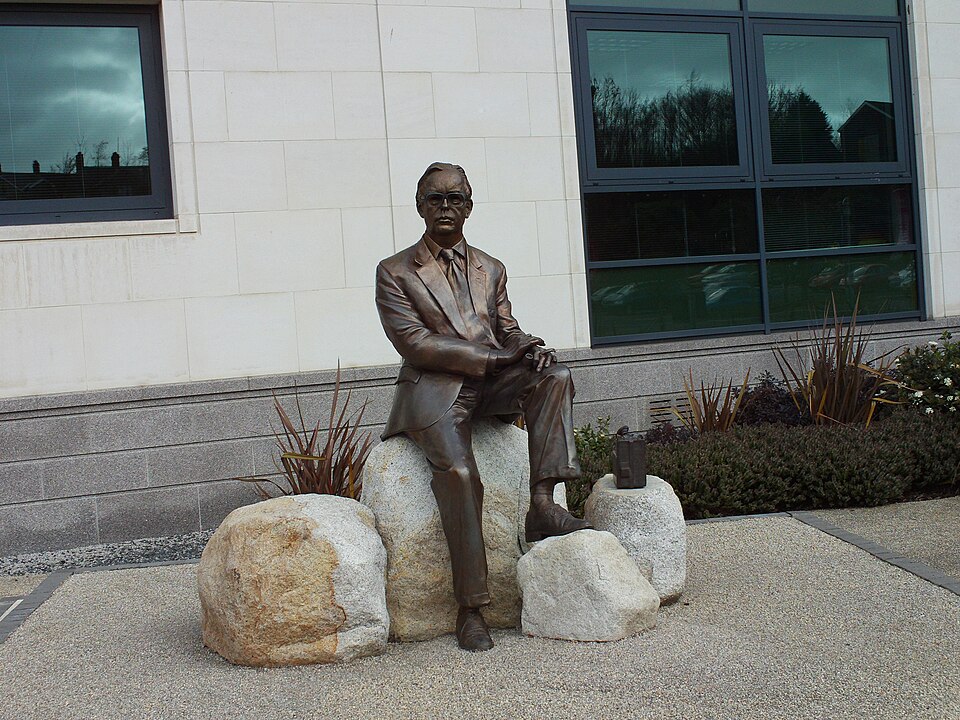
Professor Frank Pantridge was a famous Irish doctor from Belfast who transformed cardiology by inventing the world’s first portable defibrillator.
This life-saving medical device was only available in medical facilities, and patients could die before reaching the hospital.
However, the battery-powered portable version enabled medical teams to treat cardiac arrest remotely.
The portable defibrillator has since saved millions of lives by bringing emergency treatment closer to the patient, and it remains one of the most significant medical inventions of the 20th century by an Irish person.
8. Colour photography – capturing the world in its true hues
Co. Offaly physicist John Joly helped invent colour photography from a single exposure. While he had many other innovations, he developed the Joly Colour Process in 1894, which used a screen of narrow coloured lines to filter light.
While photography had existed for years, his work allowed for a more realistic and convenient way to capture the moment. His brilliance also contributed significantly to the treatment of cancer using radiotherapy.
7. The Brennan Torpedo – the world’s first guided missile
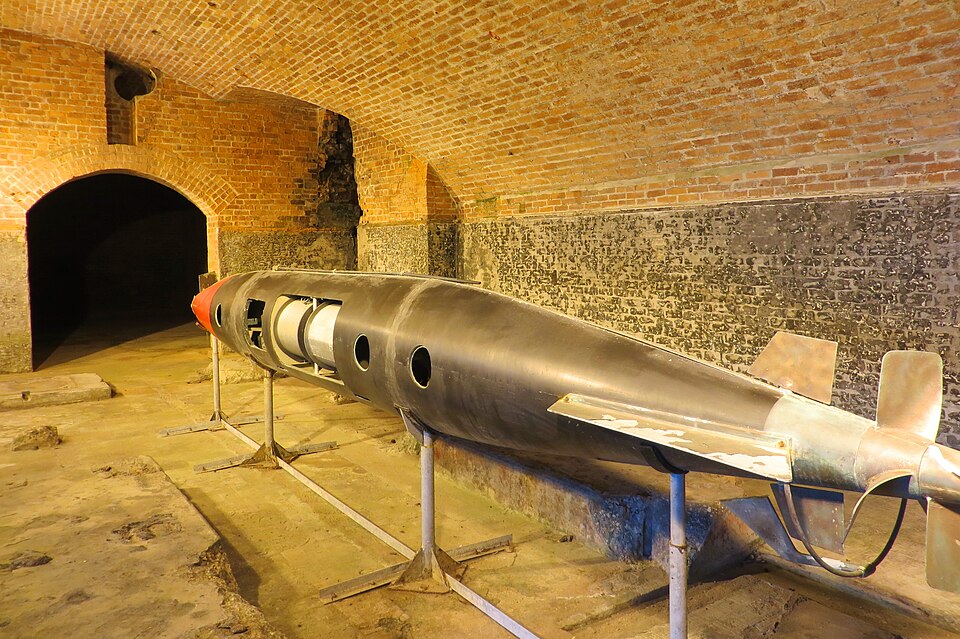
Louis Brennan was an Irish-born inventor who created and patented the world’s first effective guided missile in 1877.
The Brennan steerable torpedo, unlike previous models that were fired and left to chance, could be controlled by wires from a remote location. Coastal defences could target moving ships with more precision.
The British Admiralty/War Office eventually bought the rights to Brennan’s invention, leading to its adoption as a military weapon. His outstanding innovation helped shape the future of automated defence technology.
6. The modern tractor – revolutionising global agriculture

Irish inventor Harry Ferguson, commonly known as “The Mad Mechanic”, patented the original three-point linkage system for tractors. Before his invention, tractors were dangerous and inefficient, and often flipped over after hitting obstacles.
However, his unique design improved stability by ensuring that both the tractor and the plough functioned cohesively as a single unit. The tractor became safer and easier to operate.
This invention effectively revolutionised global agriculture, allowing farmers to boost their food production. Modern tractors still use Ferguson’s design concepts to this day.
5. Seismology – the science of understanding earthquakes
Dublin-born Robert Mallet is widely considered the father of seismology for his pioneering work in studying earthquakes.
He is credited with inventing the words “seismology” and “epicentre”, which describe the phenomenon of earthquakes. He was the first to conduct controlled experiments with explosives to understand the impact of seismic waves.
Through his research, scientists were able to map the Earth’s interior and predict the impact of an earthquake.
The study of seismology has helped the world conduct earthquake hazard assessment and is also crucial for identifying gas, oil, and mineral deposits.
4. The ejector seat – a leap in aviation safety
Irish engineer Sir James Martin developed the first successful aircraft ejector seat.
His motivation was the loss of his test-pilot friend in a tragic accident, after which he dedicated his career to looking for a way aircrew could make a high-speed escape during emergencies.
Sir James later developed a system that uses explosive charges to eject the pilot from an aircraft.
His invention was adopted as a standard in military aviation safety and is regarded as one of the most remarkable things that would not exist without Ireland.
3. The Tank – redefining the battlefield
The development of the tank was a collaborative effort, but Irish mechanical engineer and naval officer Walter Gordon Wilson from Dublin was instrumental in creating its functional design.
He co-developed the first tank prototype known as “Little Willie” during the First World War, an invention that left a legacy in armoured warfare and battlefield tactics.
The introduction of tanks was a morale booster for troops as they were more reliable in harsh terrains.
2. Transatlantic Radio – connecting continents across the ocean
While Guglielmo Marconi is credited with the first transatlantic radio transmission, his success relied on his Irish roots and base.
Born to an Irish mother, he developed the first high-power wireless telegraph station at his Clifden base in Galway.
This station was the first permanent transatlantic radio service, enabling seamless communication between Europe and North America.
His successful invention enabled the development of modern telecommunications, including cellular networks.
1. The hypodermic syringe – the simplest tool for modern medicine

Francis Rynd, a physician at Dublin’s Meath Hospital, invented the hollow needle used for hypodermic injections.
Before his invention, medical personnel used to administer drugs by rubbing medicine into wounds or through more invasive methods such as incision.
However, the development of the hypodermic needle ushered in a new era of medical treatment. Today, this Irish invention has saved many lives and also made mass vaccinations possible.