
This stunning coastal town seems to have lost its soul to high-spending tourists.
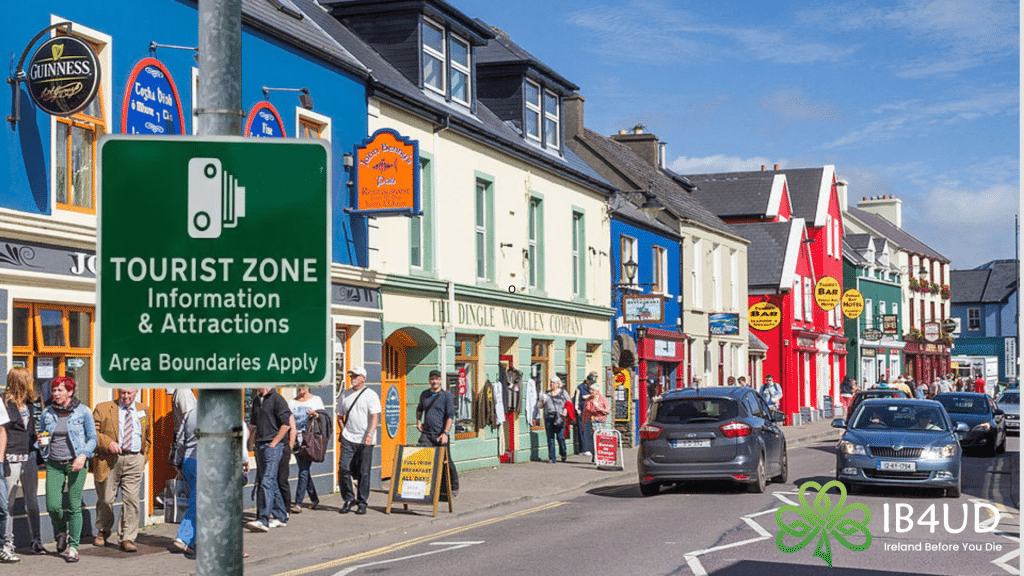
Ireland’s booming tourism industry has transformed quiet fishing villages and towns into overcrowded hotspots. While the revenue benefits the local economy, the huge influx of visitors strains the local infrastructure and community life. One Irish town consistently stands out as a classic example of a place stretched to its limit by seasonal crowds.
Dingle in County Kerry is the beautiful coastal town where overtourism is turning daily life for the locals into a constant battle for survival.
On local forums and social media, residents are warning that the tourism surge is likely to push local families out. Here is a closer look at why Dingle is the Irish town where locals say visitors are taking over.
Severe housing shortage – long-term rentals swallowed up by short-term holiday lets

In recent years, Dingle has become the epicentre of Ireland’s housing crisis. It has become almost impossible for locals, workers, and young families to find a place to live.
Property owners have converted their long-term rentals into expensive short-term accommodation for tourists.
Even when properties become available, external investors outbid local buyers to cash in on the lucrative vacation rental market.
The lack of long-term rental properties across the Dingle Peninsula means local workers in the education, health, and hospitality sectors must commute from miles away.
Some local businesses have even reported struggling to retain their staff because they cannot find a place to live nearby.
Younger generations who grew up in this town are also moving away because they cannot build a stable life here.
Long-term residents are left to watch their once close-knit community slowly turn into a tourist resort.
Crippling traffic congestion – narrow streets overwhelmed by tour buses and campervans

Dingle’s ancient narrow street layout cannot handle the massive visitor traffic during peak holiday season.
The huge number of annual tourists has turned the town’s roads into a logistical nightmare.
Finding a parking spot near the town centre is almost impossible. Narrow lanes designed for horse-drawn carts now have to accommodate massive coaches that block entire junctions as they try to manoeuvre tight corners.
Locals have also raised concerns about emergency services being delayed by heavily congested streets during major festival weekends. Even running simple errands can take three times longer than usual.
Traffic jams routinely stretch for miles along the incoming main roads, trapping locals in their vehicles during peak travel hours. For Dingle residents, the summer months bring crippling traffic and daily delays.
Skyrocketing cost of living – local prices inflated to tourist budgets

The constant flow of visitors in Dingle has created a highly inflated tourism economy that has driven up the cost of everyday goods and services.
Local pubs, cafés, and restaurants frequently adjust their pricing, targeting international holidaymakers with higher spending power. Everything, including basic groceries, becomes increasingly unaffordable for permanent residents.
Some locals even complain of being priced out of their own town centre because most commercial businesses cater exclusively to seasonal tourists. Independent cost estimates rank Dingle’s living expenses above the national averages.
This makes it one of the region’s most expensive towns. The economic shift has created a major divide between those benefiting from tourism and average residents struggling with the high cost of living.
Overburdened public infrastructure – local services strained beyond capacity

Dingle’s public infrastructure was designed for a resident population of around 2,000 people, but it routinely hosts many times that number during peak periods.
Some of the most common issues locals grapple with include severe water shortages. Reservoirs and water treatment facilities in the area often struggle to keep up with the daily surge in water consumption from restaurants, hotels, and holiday lets.
The local county council is sometimes forced to issue a water rationing schedule to prevent the entire town from running out of water.
Wastewater and sewage systems also become overburdened by the extreme pressure during high-occupancy months. Locals frequently complain of foul odours near the harbour because of raw or under-treated effluent.
Mobile phone networks and local broadband speeds also frequently drop because of the overwhelming number of active users.
Erosion of community life – a seasonal ghost town when winter arrives

During the summer, Dingle is so overwhelmed by crowds that traditional community events and quiet local gathering spaces disappear.
Locals complain that overtourism has damaged community life. During the off-season, most businesses remain closed for long periods, leaving the town feeling isolated and abandoned.
The long-term residents are left with deserted streets and closed shopfronts. Even community halls and local volunteer groups struggle to remain active when only a few people are left to attend events.
Traditional pubs and entertainment venues where locals once met to socialise and speak their local language now cater almost exclusively to international visitors.
Residents complain that unfamiliar faces are gradually replacing the traditional sense of a tight-knit Irish town where everyone knows their neighbour. This has left many locals feeling like outsiders rather than members of an Irish community.