Here are the unspoken Irish social gestures and bizarre daily rituals that leave tourists scratching their heads in total bewilderment.
For the average visitor landing at Dublin Airport, Ireland is a land of rolling green hills, ancient castles, and the perfect pint of stout.
However, once you step off the beaten track and spend five minutes in a local restaurant or a rural pub, you quickly realise that the Irish people operate on a set of unwritten rules that don’t exist anywhere else.
Whether it’s the way locals salute each other on the road or the slang that could be misinterpreted, some Irish habits can be a shocker to many tourists. Here are the ten Irish habits that tourists will never understand.
10. The “one-finger” salute – the subtle language of rural Irish driving
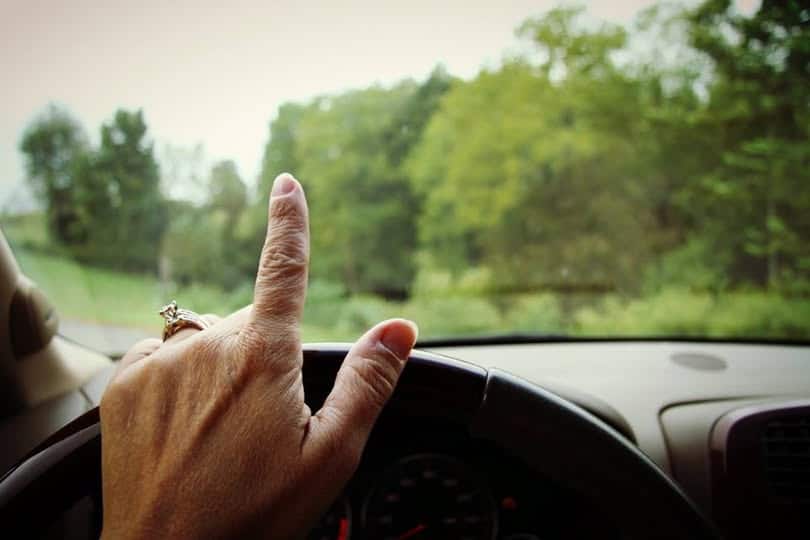
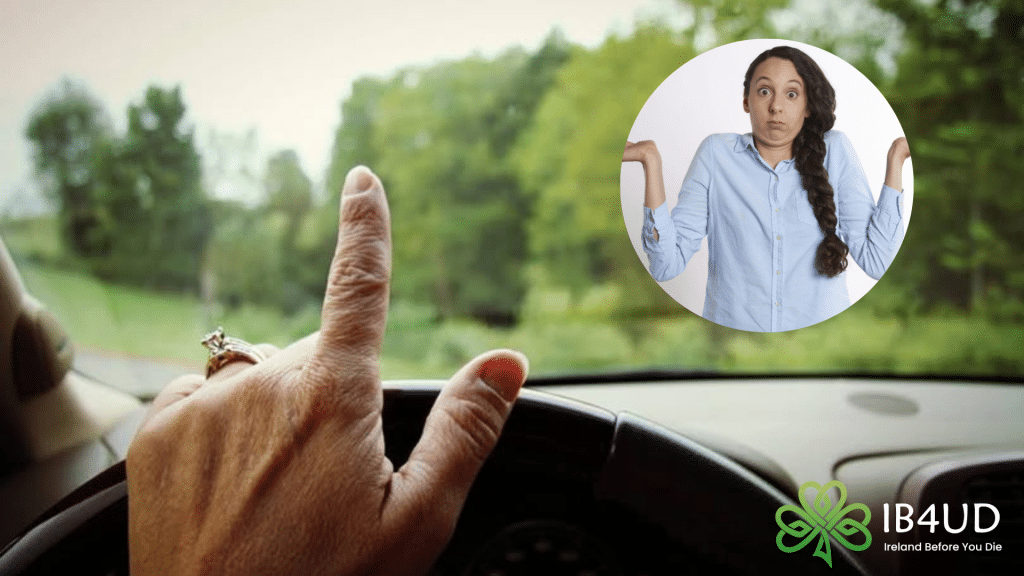
In Ireland, lifting a single index finger off the steering wheel when driving down a narrow country lane is a polite way of acknowledging oncoming drivers.
Tourists often assume this gesture is rude, aggressive, or hostile, but in rural Ireland, it’s a sign of local hospitality.
In fact, failing to acknowledge an oncoming driver with this salute is seen as a major social snub in the countryside, even if you’ve never met the person in your life.
9. “Sure, look it” – the ultimate phrase that means absolutely nothing
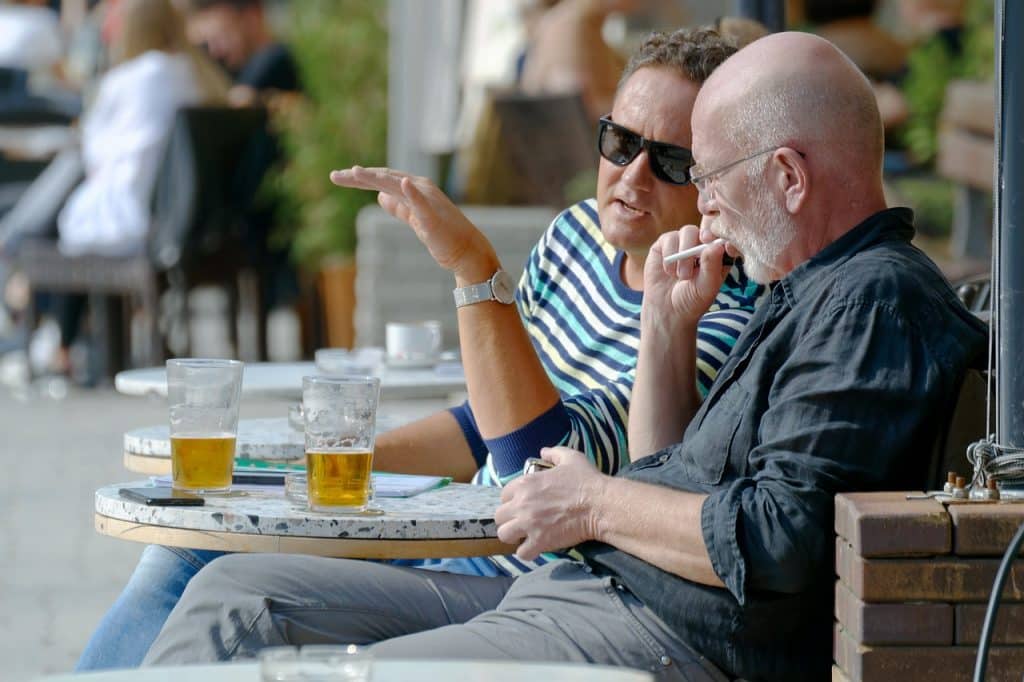
If you’ve visited or lived in Ireland, you know that Irish people don’t just speak English. They decorate it with phrases that can be confusing to the uninitiated.
Irish people have a remarkable ability to end any conversation, no matter how tragic or complex, with the phrase “sure, look it.”
Tourists often wait for the rest of the sentence to follow, only to realise that the conversation has officially ended.
When an Irish person uses this phrase, they aren’t actually asking you to look at anything but are simply acknowledging that life is weird and there’s no point in talking about it anymore.
8. The “grand” spectrum – why nothing is ever good but everything is okay

If you ask an Irish person how they are and they respond with “I’m grand”, a tourist might think they are having a great day.
In reality, it’s a neutral slang term meaning things are acceptable, tolerable, or just ‘okay’. It usually means “I am surviving, but don’t ask for details.”
Learning to decode the specific meaning of “grand” during a conversation can take years for tourists to master, and most never truly get there.
7. Giving directions by pubs – the navigation system that ignores actual road names

Attempting to get directions from a local in Ireland can be a nightmare for any tourist. Irish navigation relies on social and historical landmarks rather than street signage or maps coordinates.
For a tourist, this is unusual, but for a local, it’s a perfectly logical way to explain that the destination is “just up the road”, even if it’s 12 miles away. Irish directions are based on where a pub used to be located, even if it closed many decades ago.
6. The immense guilt of the last biscuit – a polite standoff that feels awkward
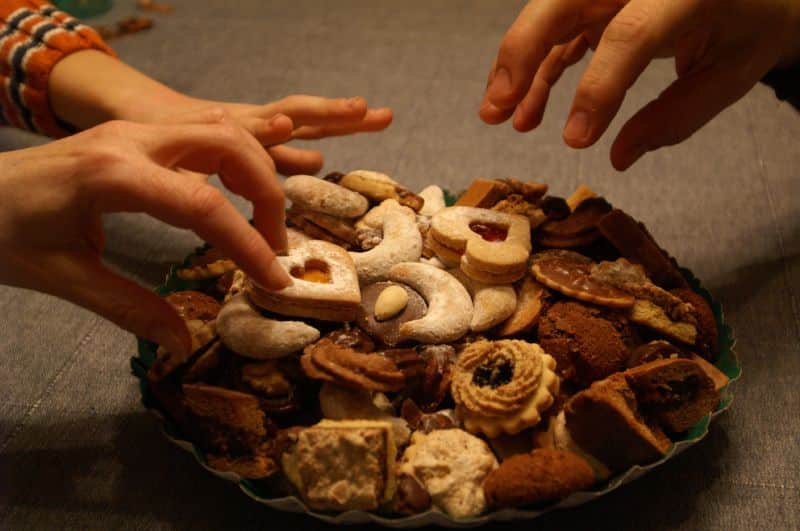
In an Irish household, the last biscuit on the plate is a no-go zone. No one wants to be the person who takes it, as doing so is a sign of greed that would disgrace their entire bloodline.
There is even a traditional superstition that taking the last piece of something, like a biscuit, can cause you to ‘stay on the shelf’ or remain an old maid.
A tourist might see a milk chocolate digestive sitting there and think, “Oh, I’ll have that last one,” only to feel the sudden awkwardness in the room’s atmosphere.
5. Mentioning the “stretch” – the national obsession with evening daylight

The “grand stretch” is a cherished Irish idiom used to appreciate the lengthening of daylight after winter. Even if it lasts only for a few minutes, every Irish person obsessively monitors this seasonal phenomenon.
Tourists find it odd that locals celebrate an extra three minutes of daylight as if it were a national holiday. However, after surviving the long “dark” winter months, Irish people see the stretch as a sign of new beginnings.
4. “Giving out” – a linguistic trap for the uninitiated

When an Irish person says they were “giving out” to someone, tourists often think they were distributing leaflets.
In reality, it means complaining, ranting, or scolding someone. In Ireland, if someone asks you why you were “giving out” all morning, they expect you to tell them why you were angry or what you were ranting about.
3. The “Oh, this old thing?” – the pathological inability to accept a compliment

This is one of those stereotypes that is actually true. If a tourist tells an Irish person they like their outfit, they expect a simple “thank you.”
Instead, they will be met with a detailed history of how the item was actually a bargain, and is at least five years old.
Irish people see accepting praise as a sign of being full of themselves, and they will normally shut down the praise immediately with phrases like ‘Oh, this old thing’ or ‘Ah, would you stop.’
For a tourist, when a genuine compliment is met with these phrases, it can feel more like a rejection than a joke.
2. The leaving cert obsession – the exam that haunts us until the grave

The Leaving Cert is a national obsession in Ireland, and it doesn’t matter if a person is 19 or 90. They will still occasionally have stress dreams about it.
Tourists are often confused by why grown adults with successful careers still discuss their secondary school results as if they happened yesterday.
While most countries issue a final exam certificate, the Leaving Cert is unique because it’s like a ‘life-or-death’ affair that still haunts many even in old age.
1. The funeral sandwich – the ritual of ham and tea in the face of grief
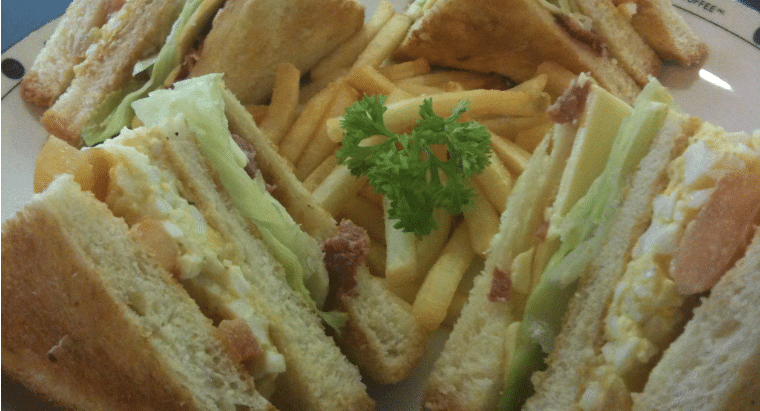
In Ireland, locals mourn their loved ones by making triangular ham sandwiches. However, they don’t eat the “funeral sandwiches” because they’re excellent cuisine. It is simply their way of coping with grief.
For the visitor, the sight of a house full of people laughing and eating a salad sandwich while a coffin sits in the corner is the ultimate cultural shock.