From pub etiquette to the “Irish Wave”, these are the social norms you need to know before you touch down on the Emerald Isle.

Whether you’re heading to the rugged cliffs of the Wild Atlantic Way or the bustling streets of Dublin, Ireland is world-famous for its “thousand welcomes”.
However, when you visit Ireland for the first time, there are some key things you need to know for a smooth trip.
Beneath the beautiful landscapes and friendly local hospitality lies a complex web of unspoken rules that tourists always break.
If you don’t want to make rookie tourist mistakes when visiting Ireland, you need to familiarise yourself with these well-known Irish social norms. Here are the ten unwritten Irish rules tourists break every day.
10. The weather is the conversation icebreaker – master the small talk

If you want to start a conversation with any Irish person, anywhere, at any time, mention the weather. In Ireland, good weather is worth discussing.
Even if it has been raining for the last six days, talking about the ‘soft day’ or the ‘grand stretch in the evening’ is an icebreaker to start any conversation.
This time-honoured Irish tradition acts as the social lubricant that helps locals connect regardless of familiarity or social status.
As a tourist, complaining too much about the rain is a rookie mistake. Instead, learn to appreciate the weather that makes Ireland so green.
9. Pedestrian lights are suggestions – the art of jaywalking

In many countries, you can’t cross the road at a red light as this is a serious offence. However, in Ireland, locals tend not to take traffic light warnings too seriously.
They are viewed more as friendly guidelines than rules. You’ll see crowds of locals stepping out into traffic the moment there’s a gap, regardless of what the light says.
While we don’t recommend putting yourself in danger, don’t be surprised when the locals leave you standing alone on the kerb while they’ve already made it to the other side.
Waiting for a green light on an empty street is a dead giveaway that you’re from out of town.
8. Humility is key – why bragging is a big no-no
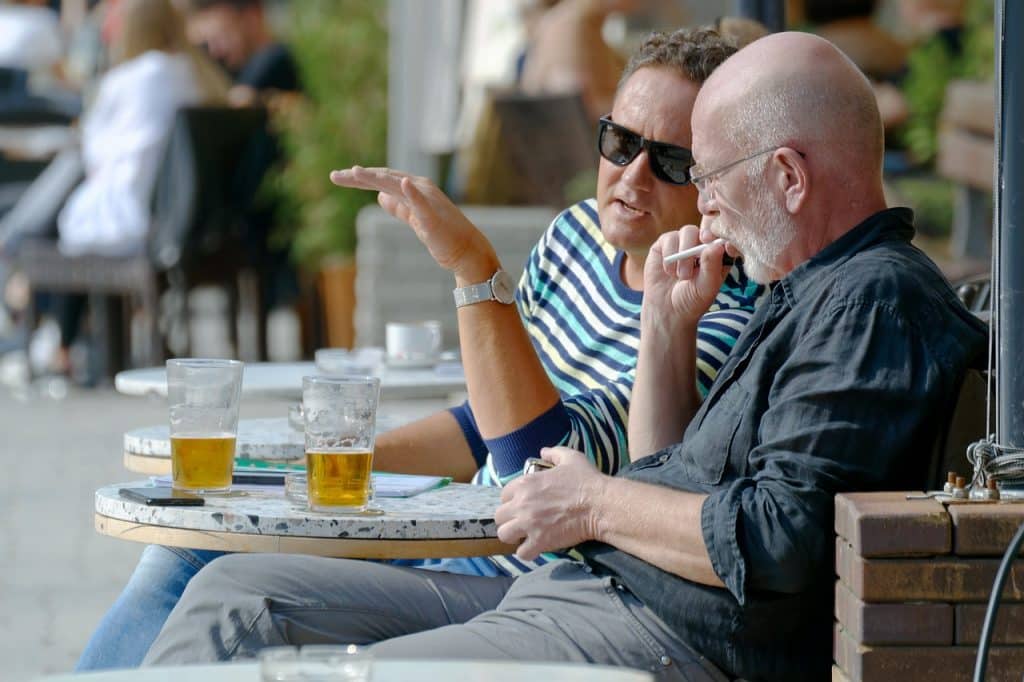
Modesty is deeply entrenched in Irish culture, and bragging or boasting is often seen as arrogant and disrespectful.
A polite attitude helps you connect easily with locals and ensures a more positive experience while touring this country.
The Irish have a very low tolerance for “notions,” the local term for someone who thinks they are better than everyone else.
If you’ve had a massive success at work or bought an expensive car, the Irish way is to downplay it.
Showing off can lead to being disfavoured in social interactions. Just be polite by saying ‘thank you’ frequently and be considerate of others.
7. The complexity of the tea offer – the “third time” rule

If you are invited into an Irish home, you will be offered tea. It is an unwritten rule that you must refuse the first offer, and sometimes the second. If they insist for a third time, you are permitted to “give in” and accept.
This is a traditional etiquette ritual seen as a polite acknowledgement that you don’t want to be a bother to the host.
6. Swearing is a term of endearment – don’t take it personally

It’s a universally acknowledged truth that Irish people swear a lot in their conversations. Don’t be surprised if you hear a few choice words in casual conversations.
You’ll hear grandmothers and priests alike dropping words that would make a sailor blush, but it’s rarely meant with malice.
In many parts of the country, swear words are sentence enhancers, and locals use them for emphasis, rhythm, or even as a sign of affection. Irish swearing is simply a colourful part of the local vernacular.
5. Thinking you can see the whole country in a weekend – distance is relative

Tourists often look at a map of Ireland and think they can visit Dublin, the Cliffs of Moher, and the Ring of Kerry all in one afternoon.
This is a rookie mistake that locals find amusing and frustrating. While the island is small, the roads, especially in the West, are winding, narrow, and often occupied by a flock of sheep or a slow-moving tractor.
Never underestimate travel time and always remember that a 50 km journey in rural Ireland doesn’t just take 30 minutes; it can take as long as the elements allow.
4. The “Howya/How ya” mystery – a greeting, not a question

When an Irish person walks past you and says, “Howya?” or “How ya?”, they aren’t actually looking for a detailed breakdown of your morning. It’s a standard greeting, much like “hello,” and one of the easy Irish greetings you need to know before visiting.
You can respond by saying “Grand,” or “Not too bad, thanks” as you continue walking. Don’t stop to explain your jet lag or your sore feet, as it will only result in a very confused-looking local who was just trying to be polite.
3. It’s “Paddy,” never “Patty” – the ultimate linguistic sin

In Irish culture, there is no such thing as “St. Patty’s Day.” Referring to this national holiday as “Patty” instead of “Paddy” is considered disrespectful and is one of those things tourists should never do in Ireland.
“Patty” is a nickname for Patricia, while “Paddy” is derived from the Irish name Pádraig.
While it might seem like a small distinction to visitors, it’s a hill that most Irish people are willing to die on. If you’re visiting in March, stick to “St. Patrick’s Day” or “Paddy’s Day” to keep the peace.
2. The “Irish wave” – why every driver is waving at you
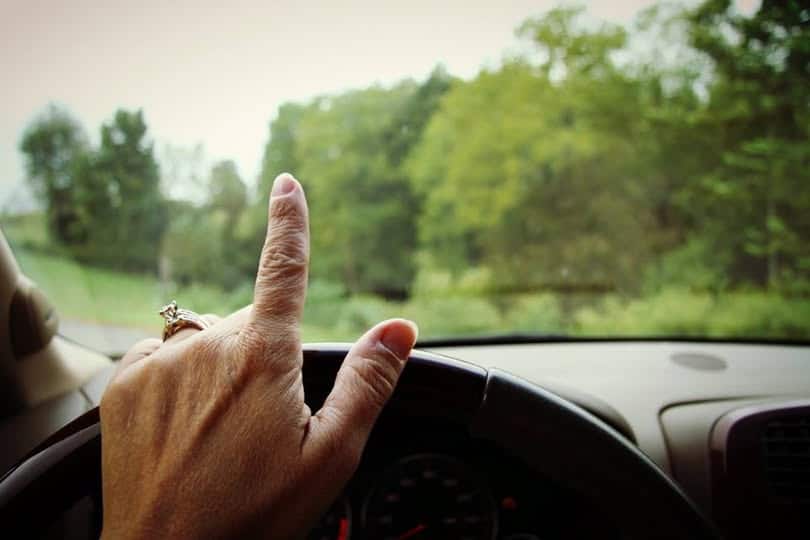
If you’re driving down a narrow country lane and a local lifts a finger or a whole hand off the steering wheel as they pass, don’t panic: they aren’t trying to warn you about a flat tyre or insult you.
It’s a silent, polite way to acknowledge an oncoming driver used across the rural parts of the country.
Even if you’ve never met in your life, the rule is simple: you must wave back, as failing to do so is considered rude and marks you as an outsider immediately.
1. Buying your round – the golden rule of the Irish pub

Visiting a pub in Ireland is a popular social activity, but the absolute number one thing you should never do in an Irish pub is break the “round” system rule.
In Irish pub culture, if someone buys you a drink, you are socially obligated to buy them one back when their glass is empty. Skip your turn, and you’ll quickly find yourself drinking alone; the ’round’ is a sacred social bond.