For a country so steeped in history it’s no surprise there are still so many untold stories.
Through everything, from the language to the landscape, Irish people are more aware of their own local and national history than most.
However, there is plenty still to discover. Here are ten Irish history facts that will surprise even locals.
10. Lenin spoke English with an Irish accent – what’s the story, comrade?

Vladimir Lenin, Russian revolutionary leader and first Premier of the Soviet Union, spoke English with an Irish accent. This unexpected quirk of translation came about because Lenin’s English tutor in London was, naturally enough, Irish.
It was a fact confirmed by HG Wells in 1920, and also Roddy Connolly (James Connolly’s son), who noted the ‘Rathmines accent’ when he met Lenin in St. Petersburg in 1920.
9. The world’s first fatal car crash occurred in Offaly – same old story

If the increasing number of deaths on Irish roads has you worried or confused, it might interest you to know that the very first recorded death from an automobile accident occurred in Birr, Co. Offaly.
In 1869 Mary Ward, a famous astronomer and naturalist, fell from a steam-powered carriage and was crushed to death under the wheels.
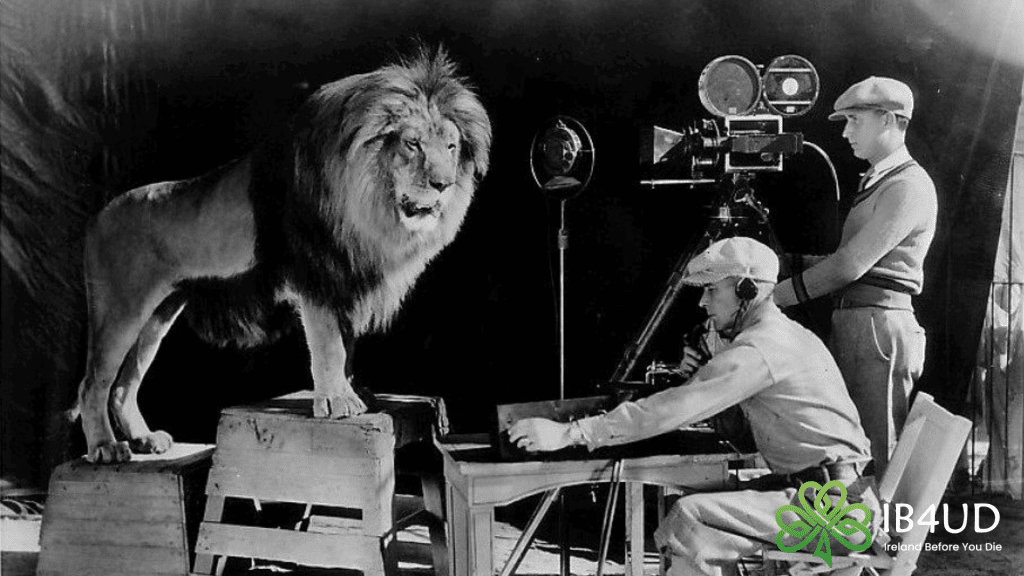
8. The Metro Goldwyn Meyer lion was born in Dublin Zoo – from here to Hollywood
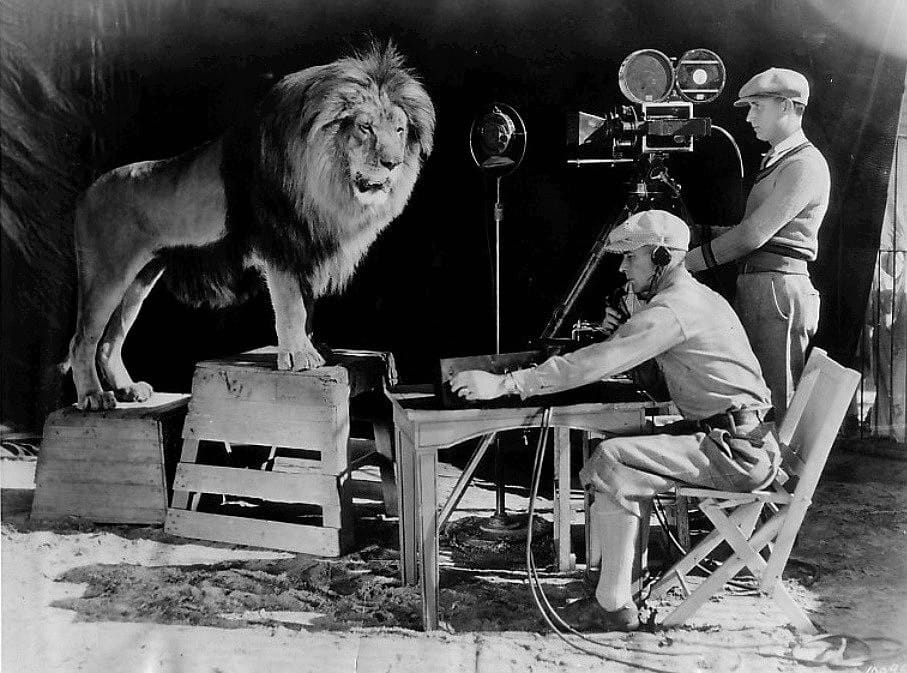
On March 20, 1919 a lion was born in Dublin Zoo. Named Cairbre (Irish for ‘charioteer’), this was no ordinary lion.
He was brought to the United States, his name was changed to Slats, and when he grew up he became the most famous lion in the world. For a few years, at least.
MGM Studios in Hollywood used Slats as their first, and now iconic, lion in their logo at the beginning of each film. Dublin-born Slats appeared on all black-and-white MGM films between 1924 and 1928.
7. The Forgotten Limerick Soviet – the Munster collective
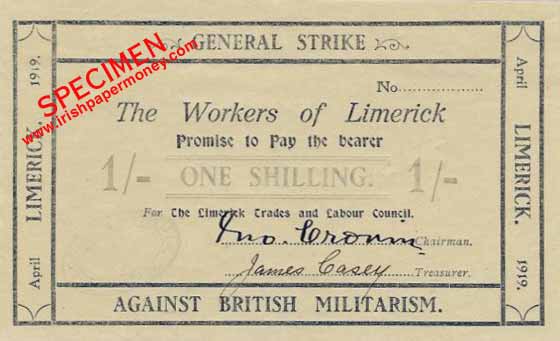
Between 1919 and 1923 a number of Irish ‘soviets’ were declared, including the Limerick Soviet, which was one of the first and most important.
A ‘soviet’ in this context was basically a group of elected workers who took control of their place of work and began to operate as a political force.
Although it only lasted for a couple of weeks, the Limerick Soviet printed its own money, controlled the supply of food, and the workers even published their own newspaper.
6. The Rotunda Hospital is the oldest maternity hospital on earth – a fascinating Irish history fact

The Rotunda Hospital, at the top of Dublin’s O’Connell Street, is the oldest continuously-operated maternity hospital in the world.
Founded by Bartholomew Mosse in 1745, its function was to provide safe medical care and shelter for poor Irish women who had nowhere else to go.
5. The Irish origin of the term “Boycott’ – time to down tools
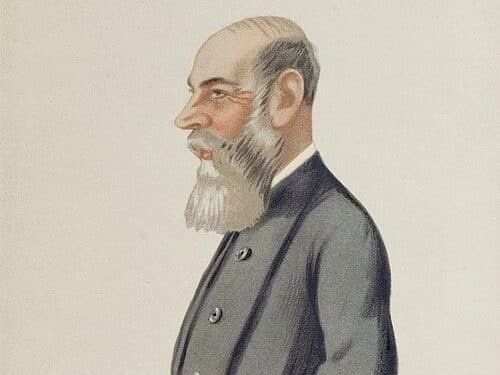
By all acounts Captain Charles Boycott was a real piece a work. A 19th-century land agent for Lord Erne’s estate by Lough Corrib in County Mayo, he was cruel, ruthless and despised by his tenants.
They hated him so much they stopped harvesting the crops and the local community began to completely isolate him.
50 Orangemen were shipped in as replacement workers, but it became prohibitively expensive so Charles scurried home to England. Thus, the concept of a boycott was born.
4. The death and life of Margorie McCall – more like Margorie Macabre
Walking around the 17th century Shankill Graveyard in Lurgan you might come across Margorie McCall’s small tombstone. Engraved upon it are the words, ‘Lived once, buried twice’. In 1695 Margorie died of fever and was promptly buried.
Soon after, however, grave robbers dug her up. As they were trying to cut a ring off her finger, Margorie woke up and the grave robbers fled.
After walking home and putting the fear of God into her husband, Margorie went on to live many more years, even having another child.
3. St. Valentine is buried in Whitefriar Street Church in Dublin – take me to church

February 14 isn’t just a made-up commercial holiday designed to stimulate the red rose economy; it also happens to be the feast day of St. Valentine.
The next time you leave Pearse Street Dart Station, take a left, and in a few steps you will find yourself at the doors of Whitefriar Street Church in Dublin.
This beautiful church is home to the remains of St. Valentine, along with a vial of his blood and other related artefacts.
The shrine is surrounded by uplifting and heartbreaking handwritten notes from people looking for love.
2. The First Irishman in China – the trip of a lifetime
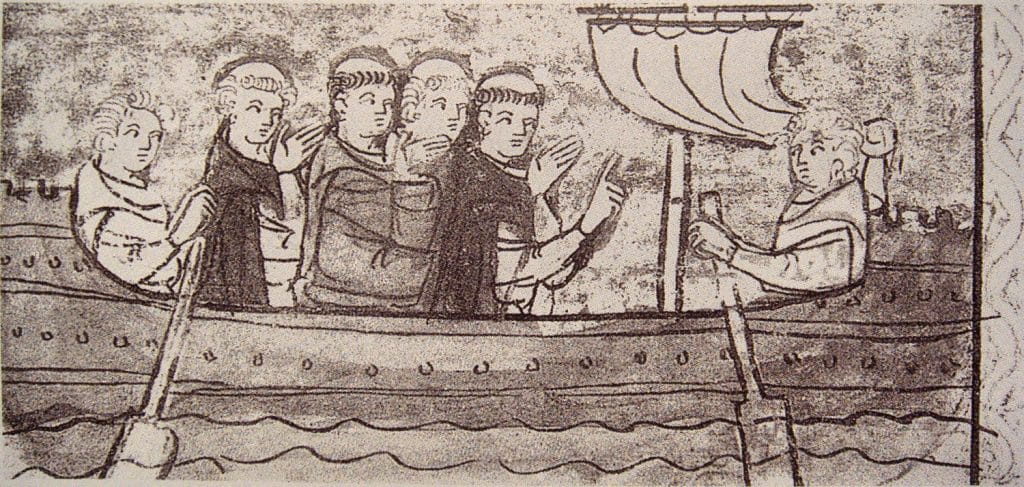
The Irish are not particularly well known for being explorers. But in the 14th century a Friar known as ‘James of Ireland’ accompanied his fellow Franciscan, Odoric of Pordenone on a decade-long trip to the Far East.
Travelling through Constantinople, Armenia, Persia, Baghdad and India, when they eventually arrived in China they stayed for three years. You’d need a rest after that trip, in fairness.
1. The Burning of Bridget Cleary – a horror story rooted in folklore
In 1895, young Tipperary woman Bridget Cleary was burned to death by her husband and other family members. Their defence was extraordinary.
They claimed the person they burned was a changeling, and they burned her to force the fairies to return the real Bridget.
The trial was a sensation touching on everything from witchcraft and infidelity to violent conspiracy and ‘fairy doctors’. Bridget Cleary’s death is an unsettling reminder that just because you don’t believe in something, it doesn’t mean it’s not true.