Ireland has an ancient and rich heritage, producing some of the oldest family names in the world. However, many of the well-known Irish surnames didn’t originate on the island.
It is hard to exaggerate how important an Irish person’s surname is to their sense of identity.
Not only is it a direct link to someone’s ancestors, it more often than not connects a person to a particular place or area within Ireland.
Despite this, some of the most common Irish names didn’t originate on the island. Here are the top ten.
10. Walsh – a gift from the Welsh

Originally brought to Ireland by Welsh soldiers during the Norman invasion in the 12th century, Walsh has become one of the most popular surnames in Ireland.
As you might guess, the name roughly translates as ‘Welshman’ or ‘from Wales’, and yet to many it remains a distinctly Irish surname.
9. Murray – from the settlement by the sea
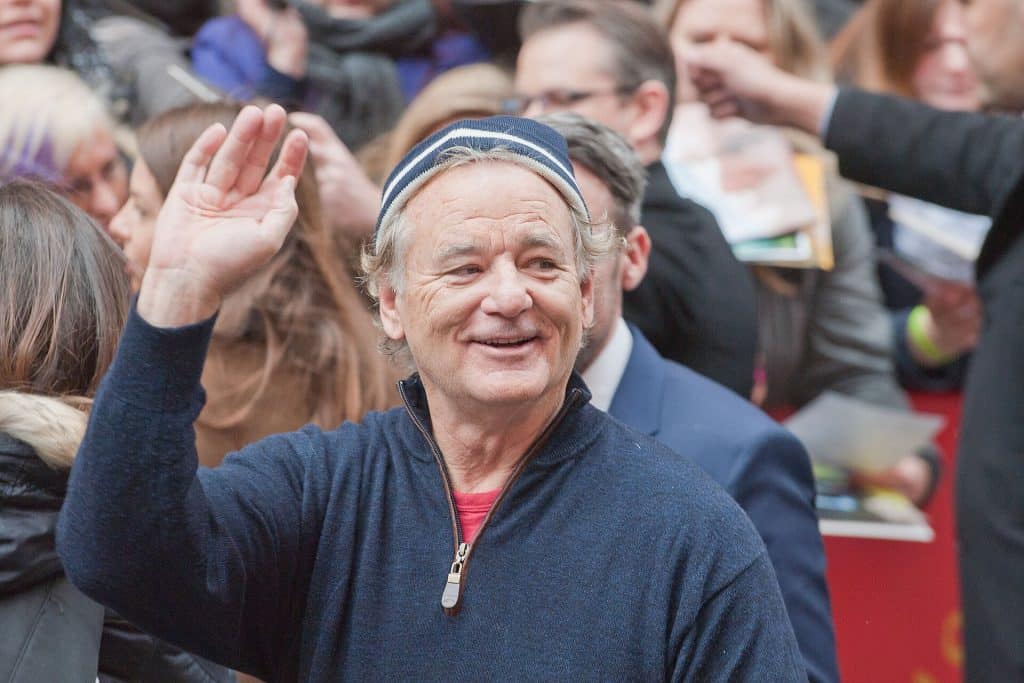
If you watched the 2026 Six Nations rugby tournament, you may have noticed Darragh Murray making his debut for Ireland. The interesting pronunciation of his last name (Murr-ay) gives us a hint of its origins.
The most common etymology of Murray is that it comes from Moray in northeast Scotland, a placename which originally meant ‘settlement by the sea’.
8. Doyle – Vikings hidden in plain sight
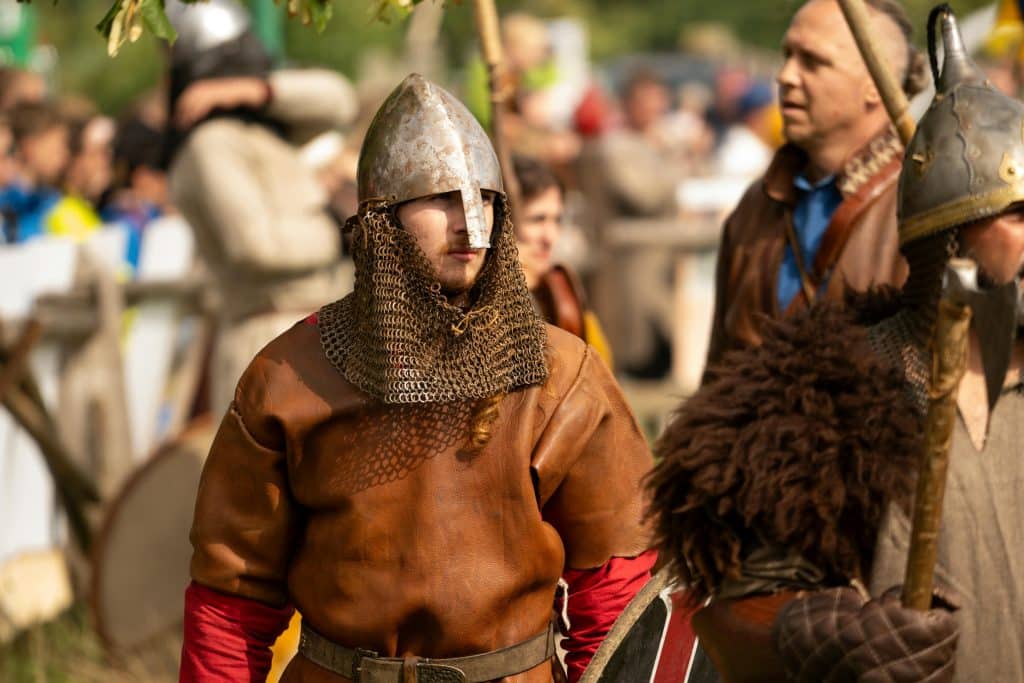
An incredibly common name in Leinster, particularly in Dublin, Wicklow and Kildare, Doyle is as Irish as Barmbrack. However, it most likely didn’t originate on the island.
The theory goes that Doyle evolved from the old Irish name Dubhghaill, which means ‘dark stranger or foreigner’, referring to the invading Danish Vikings of the time.
7. Fitzgerald – Norman people
The prefix “Fitz” which you can find in a lot of Irish surnames is derived from Latin and means “son of”. So right off the bat we can tell the Fitzgerald’s (“son of Gerald”) came to Ireland during the Norman invasion of 1169.
Of the original Fitzgerald’s, two powerful families dominated – the Fitzgeralds of Kildare, and the Fitzgeralds of Desmond, who settled around Cork and Kerry.
6. Hughes – of heart and fire
Hughes is an interesting surname. On the one hand you could say it has its origins in the Welsh name ‘Hew’, which in turn comes from the Old French name ‘Hugues’.
The French version means ‘heart’, while the Welsh version means ‘fire’. A strong name, either way.
However, just to complicate things, there is another origin of the name stemming from the ancient Irish name of Ó hAodha.
This means ‘son of Aodh’, and here’s the kicker – Aodh also means ‘fire’. This names was eventually Anglicized into Hughes.
5. Costello – from Dublin to Strongbow

There are parts of Dublin where you can’t swing a cat without hitting at least one Costello. But it wasn’t always that way.
Another name that dates back to the 12th century invasion of Strongbow, the original Costello’s (or de Angulo’s) settled in and around County Mayo.
After adopting the Irish form Mac Oisdealbhaigh, the clan were one of the first of the Norman arrivals to fully embrace local customs. Over time the name was eventually anglicized to Costello.
4. Power – a name from the north of France

Another name deriving from Old French. Starting out as Pohier or Poer, it evolved through Middle English into Power, which means ‘native of the Pays de Poix’ (an area in northern France).
In 1177 King Henry II of England very kindly gifted Robert Le Poer the entire city of Waterford and the surrounding countryside. To this day Power remains the most popular surname in Waterford.
3. Joyce – in the name of the Lord
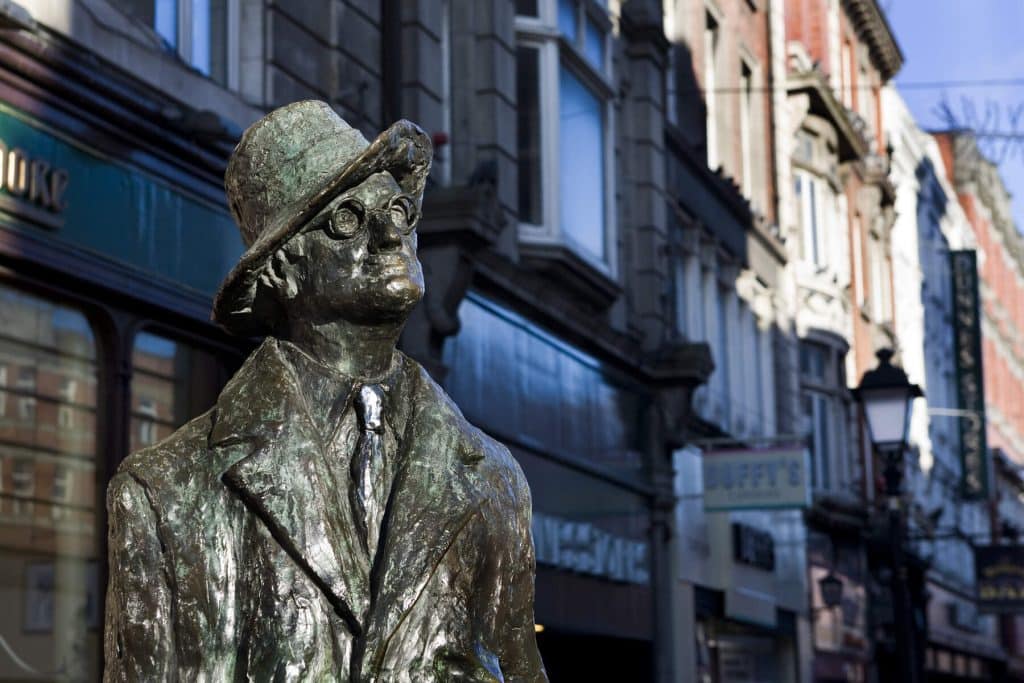
If your surname is Joyce it might please you to know your descendants were important people. How do we know this? The hint is in the name. Joyce has a long history going all the way back to the seventh-century Breton saint Judoc.
The Latin version of the name means ‘Lord’, and after the Norman invasion the noble Joyce family settled in Galway and Mayo. After mass migration during the Famine, the name spread to Australia, New Zealand, the United States and Canada.
2. Burke – from the House of Burgh
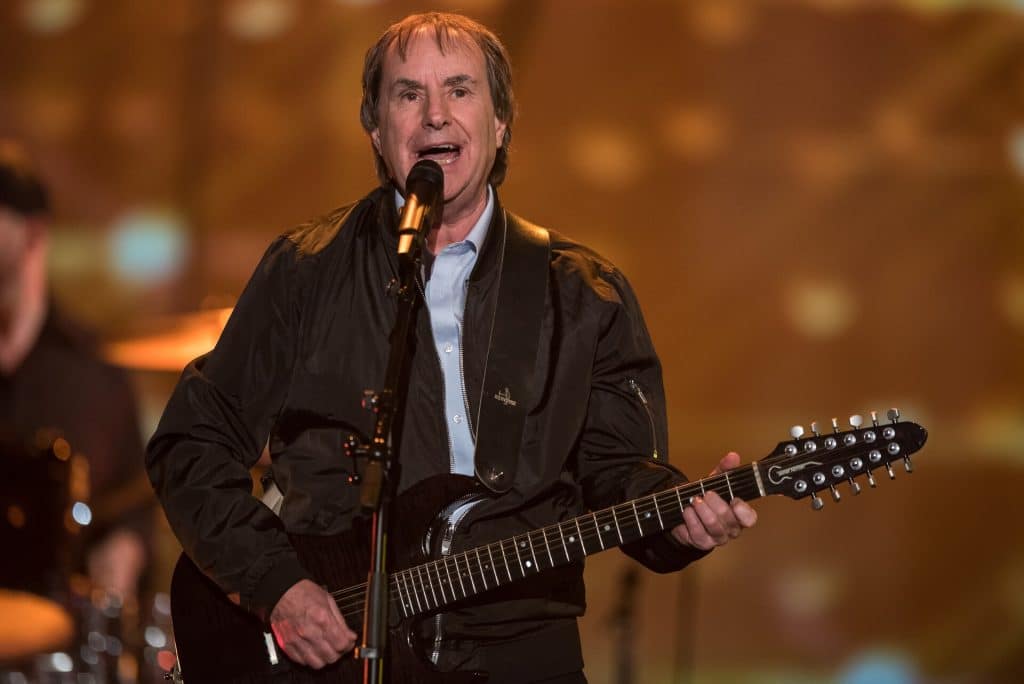
Of all the Irish surnames of Norman origin, Burke (or Bourke) is the most common. The Old French name de Burgh means “of the borough” or “from the fortified hill” and originated from Anglo-Norman House of Burgh dysnasty.
When Henry II appointed William de Burgh Govenor of Limerick in the 12th century, the title came with vast tracts of land around Leinster and Munster. It was from this initial invader that the name began to spread.
1. Butler – bringer of wine
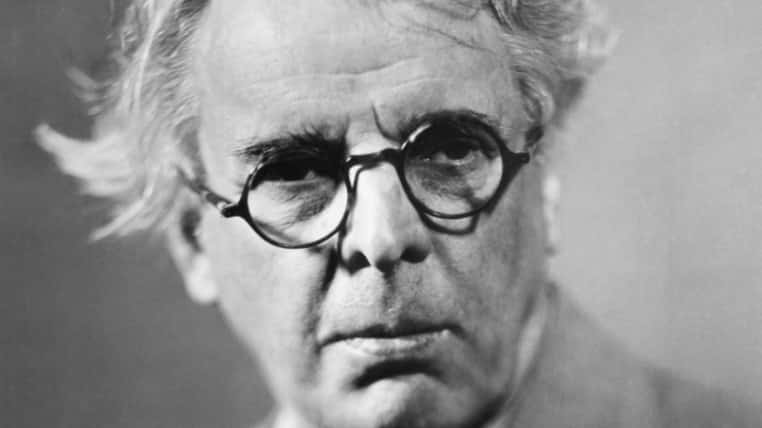
The Butler name arrived in Ireland after – you guessed it – the Anglo-Norman invasion in the 12th century. It is an occupational last name derived from the Norman French word “butuiller“, meaning “wine steward” or “bottler”.
The Butlers became one of the leading noble families in Ireland, holding countless titles including Earls of Ormond, Dukes of Ormonde, and Barons of Cahir.
From their seat in Kilkenny Castle, the Butler dynasty had an immense impact on Irish history.