
Ireland is full of spectacular places to visit, but some of its most famous attractions often leave travellers feeling completely underwhelmed.
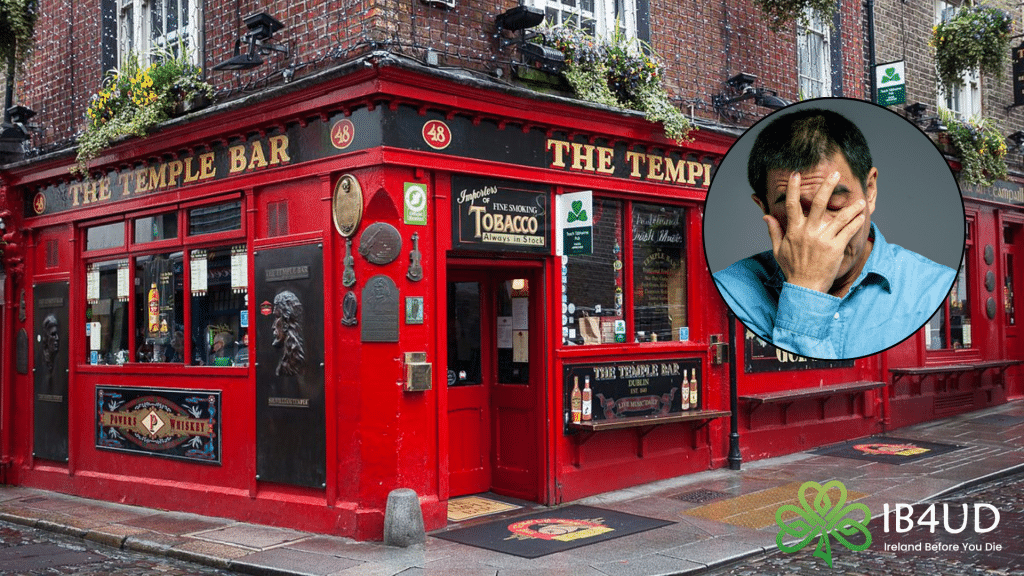
The Emerald Isle is a popular destination for many travellers and holidaymakers, but not every destination lives up to the high expectations. According to online discussions and visitor reviews, many tourist hotspots are either overpriced or heavily overcrowded. Here is our list of ten Irish places people regret visiting and why.
10. Guinness Storehouse, Dublin – standing in massive queues for a commercialised experience

The Guinness Storehouse is undoubtedly one of the most visited paid tourist attractions in Ireland. However, it’s also one of the most polarising.
Travel forums are full of reviews from disappointed travellers who found the experience underwhelming.
A visit to the Storehouse culminates in a complimentary pint at the Gravity Bar on the rooftop. Disappointed reviewers consistently highlight overcrowding, lack of authenticity, and poor overall value.
They expect a historic traditional brewery tour only to find an overrated, corporate multimedia museum.
9. The Big Fish, Belfast – a single mosaic sculpture that feels a bit underwhelming

This highly photographed ceramic monument in Belfast is a beloved piece of local art that celebrates the famous Salmon of Knowledge in Irish mythology.
Disappointed tourists describe it as just an ordinary statue on a public walkway. Unless you’re exploring other attractions, a dedicated trip to see this monument can leave you feeling regretful.
While it’s a great spot to take a quick photo, there is nothing much to do aside from walking around it once.
8. Father Ted’s House, Co. Clare – driving down isolated country lanes just for a gate
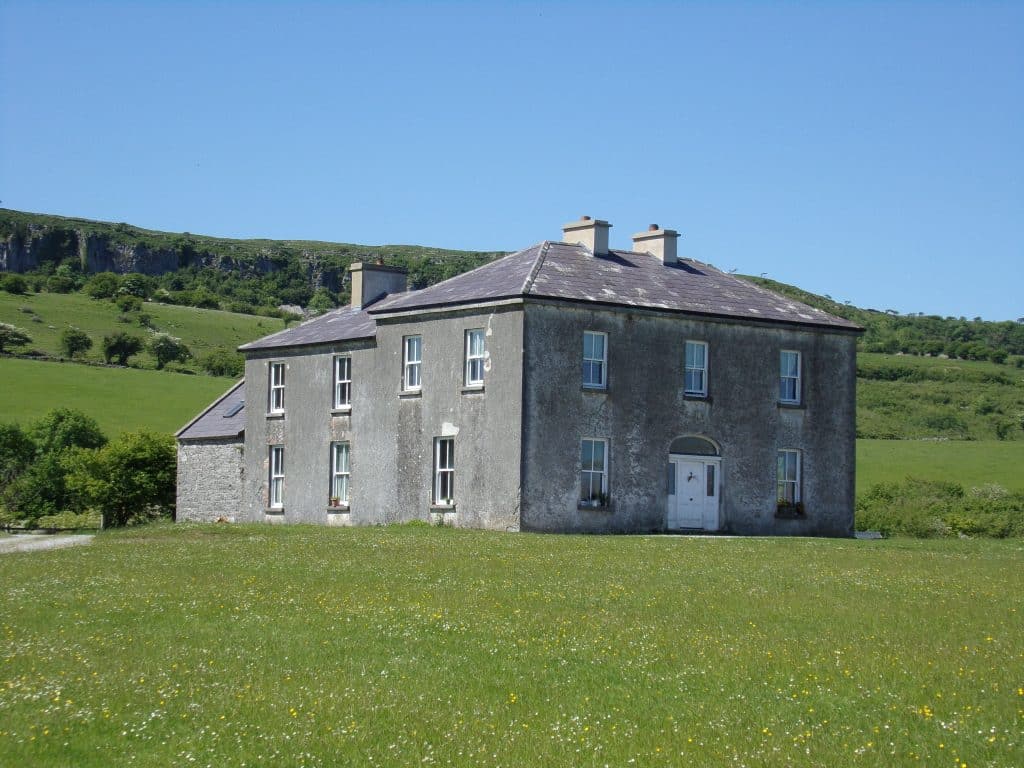
Hardcore fans of the classic sitcom Father Ted often feel the urge to reconnect with the good old times by making a trip to the beautiful Burren to see the iconic parochial house.
The experience instantly triggers a wave of television nostalgia for people who loved the show. Many visitors come here expecting to find a well-preserved museum set complete with the original show’s furniture.
However, to their disappointment, only the exterior looks exactly as it did on TV. The interior is completely different from what we saw on the screen. The reality is that most of the indoor scenes were filmed across television studios in England.
7. The Crown Liquor Saloon, Belfast – fighting through immense crowds just for a quick drink

The Crown Liquor Saloon is one of the most famous Victorian-era pubs, yet it’s also another highly polarising attraction that some people regret visiting.
It’s a masterpiece of historical architecture, featuring carved ceilings, etched glass, and cosy private wooden booths (snugs).
However, most traveller reviews frequently express disappointment due to the overwhelming number of visitors. Some say that it’s almost impossible to find a place to stand, let alone sit down.
Despite being a dream destination for pub enthusiasts, the experience here can quickly turn into a loud, frustrating struggle to enjoy a drink in peace.
6. Tramore, Co. Waterford (Off-Season) – a lively seaside resort that turns into a “ghost town” in winter

During the summer months, Tramore becomes a vibrant seaside town full of holidaymakers enjoying their time at the sandy beach and amusement park.
However, some travellers warn that visiting this place during the off-season (October to March) can be an extremely disheartening experience.
Since the town is heavily built around summer tourism, it can feel like a “ghost town” outside of the peak season. You’ll find boarded-up shops, shuttered ice cream parlours, and the locked gates of the amusement park.
Visitors looking for a cosy, coastal escape say the town can feel a bit abandoned as the harsh Atlantic winds whip through the empty streets.
5. The Trinity College Book of Kells Exhibition, Dublin – shuffling through a crowded room for a brief glimpse
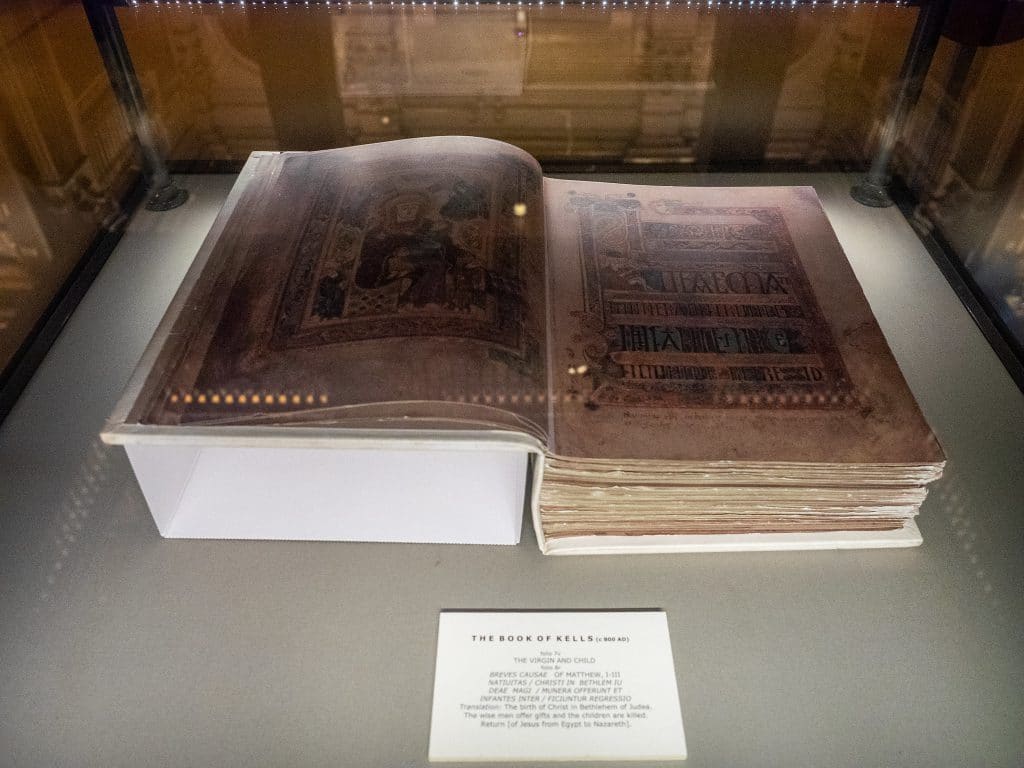
The Book of Kells Exhibition at Trinity College is one of Ireland’s most popular cultural attractions. Seeing this world-famous 9th-century illuminated manuscript is considered a bucket-list item for history buffs visiting Dublin.
Despite the book’s immense historical significance, many visitors often criticise the viewing experience due to the huge crowds and strict viewing limitations.
For the premium admission price, many walk away feeling short-changed.
4. The Cliffs of Moher Visitor Centre, Co. Clare – paying steep fees to walk a crowded path

The Cliffs of Moher are undeniably spectacular, but the official visitor centre is one of the places in Ireland that are actually total tourist traps.
Many tourists have expressed their frustration over the high admission and parking fees to access the walking paths.
Those who look back on their experience with regret note that the visitor centre feels highly commercialised and congested.
Many seasoned travellers often prefer the Cliffs of Moher walking trail from Doolin to avoid the high prices and the crowds.
3. The Spire, Dublin – gazing at a sterile metal pin with no history
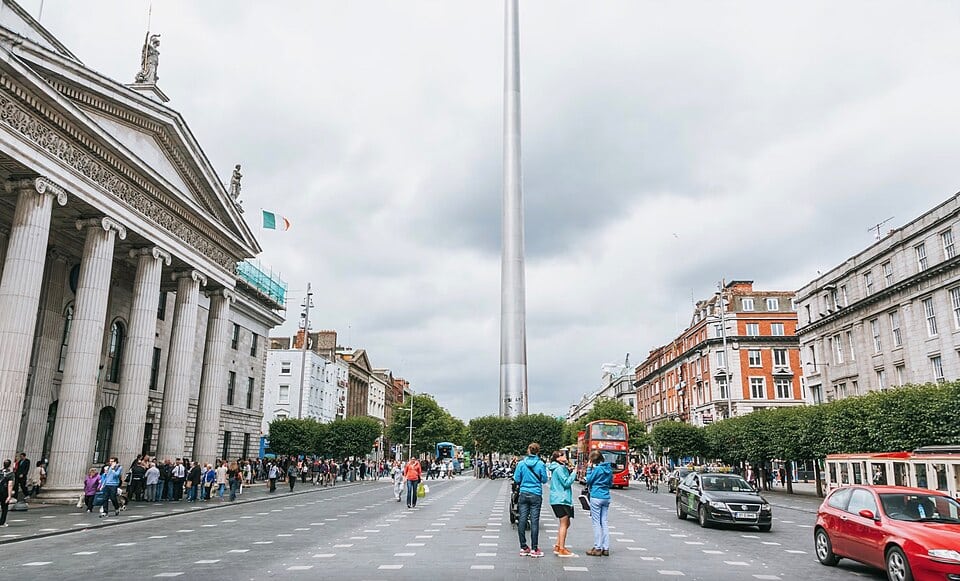
The Spire of Dublin is impossible to miss because of its massive height. Located right in the centre of O’Connell Street, this 120-metre-high stainless steel monument is one of the most criticised landmarks in Ireland.
Most visitors find this attraction underwhelming. They describe it as a sterile piece of metal lacking cultural significance, historical depth, or any aesthetic element.
While it’s a handy landmark for taking a quick photo or navigating the city centre if you get lost, it’s not considered worth including on your travel itinerary.
2. The Blarney Stone, Co. Cork – waiting in line for hours to kiss a rock
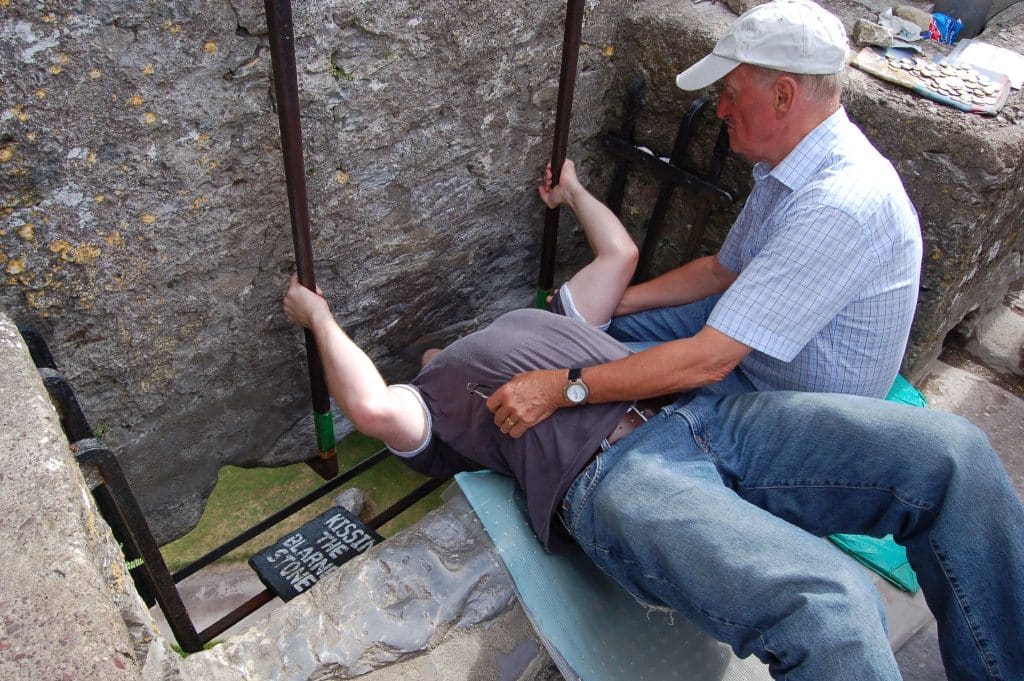
The Blarney Castle is a beautifully preserved medieval fortress. However, some people find climbing to the top of the castle to kiss the stone unappealing and overly commercialised.
Visitors have to endure long, slow-moving queues to kiss a stone that thousands of other people have slobbered on.
Once you reach the top, the experience involves leaning backward while a staff member holds you as you press your lips against a rock.
The promise of gaining the famous “gift of the gab” lures massive crowds to the Blarney Stone, but some tourists regret ever visiting this attraction.
1. Temple Bar, Dublin – paying double the price for an overcrowded tourist trap
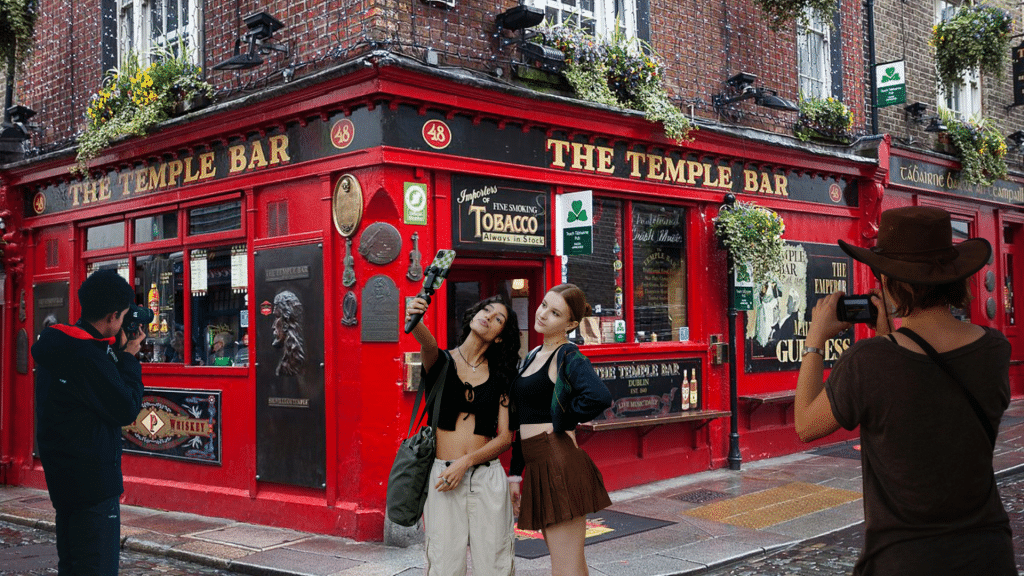
Temple Bar is a famous Irish destination and the heart of Dublin’s nightlife. Its distinctive red pub facade, cobblestone streets, and live music make it hard to miss.
Most first-time visitors arrive expecting an experience of a lifetime, only to be met by a crowded, rowdy pub where the cost of a pint is extremely high.
Most visitors who look back on their experience in Temple Bar with disappointment often highlight that the place lacks a genuine Irish pub culture.
Online discussions consistently warn travellers that Temple Bar has become one of the world’s biggest tourist traps.