The weird and wonderful staples of Irish cuisine.

Ireland is known for its delicious, fresh food, surprising some who believe this region of the world has the same reputation for questionable cuisine as nearby England. However, Ireland stands out for many things, including its dairy products, which are some of the best in the world.
The Emerald Isle is also celebrated for its dedication to locally-grown and harvested foods that give Irish cuisine a stellar reputation. From Shamrock Crisps to Steak-and-Guinness Pie, Ireland stands out as a foodie destination. However, there are some Irish foods that tourists just can’t handle.
While those visiting Irish shores are more than willing to have a go at a packet of Tayto Cheese and Onion, Irish Soda Bread, or a classic Irish Stew, they might stop and think when it comes to these foods. It’s certainly an adventure for the tastebuds for those who dare.
10. Crubeens – for the bacon lovers!

While tourists who hail from places where these types of dishes are common wouldn’t bat an eye, these might startle some visitors to Irish soil. Crubeens are pig’s trotters. They can be served hot or cold, and are eaten without cutlery.
They can be boiled, roasted, fried, or even rolled in breadcrumbs. Sometimes, the bones are removed, and the crubeens are stuffed with mashed potatoes. Honey-glazed Crubeens are very popular.
Many Irish people will remember eating these with their parents when they were little children. It’s a chance to experience a truly traditional Irish dish!
9. Fifteens – what it says on the tin

Delicious and dangerous to the waistline, Fifteens are a sweet treat, a type of no-bake traybake. They consist of fifteen of each ingredient, hence the name 15 buns, 15 digestive biscuits, 15 glacé cherries, and 15 marshmallows – hence the name.
This dessert originated in Ulster, in the north, and remains popular. The reason tourists can’t handle this one is because they’re just too good.
8. Lough Neagh Eels – swimmingly good
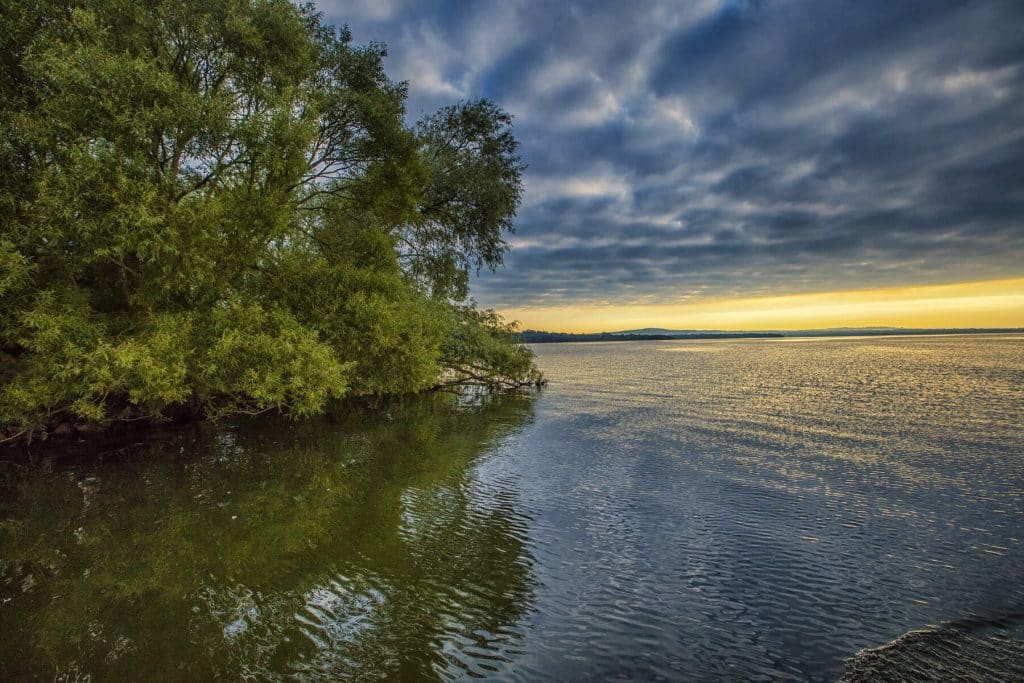
Some king or another in England once died of a “surfeit of eels”, so it stands to reason that they might be more delicious than they first appear! Lough Neagh Eels are a speciality in the North, and they may have been eaten as long ago as the Bronze Age.
These high-fat eels are considered the finest in the world for eating, and Armagh is the location of the last commercial eel fishery in Europe. The eels have Protected Geographical Indication status, the same as champagne.
7. Drisheen – a standout pudding
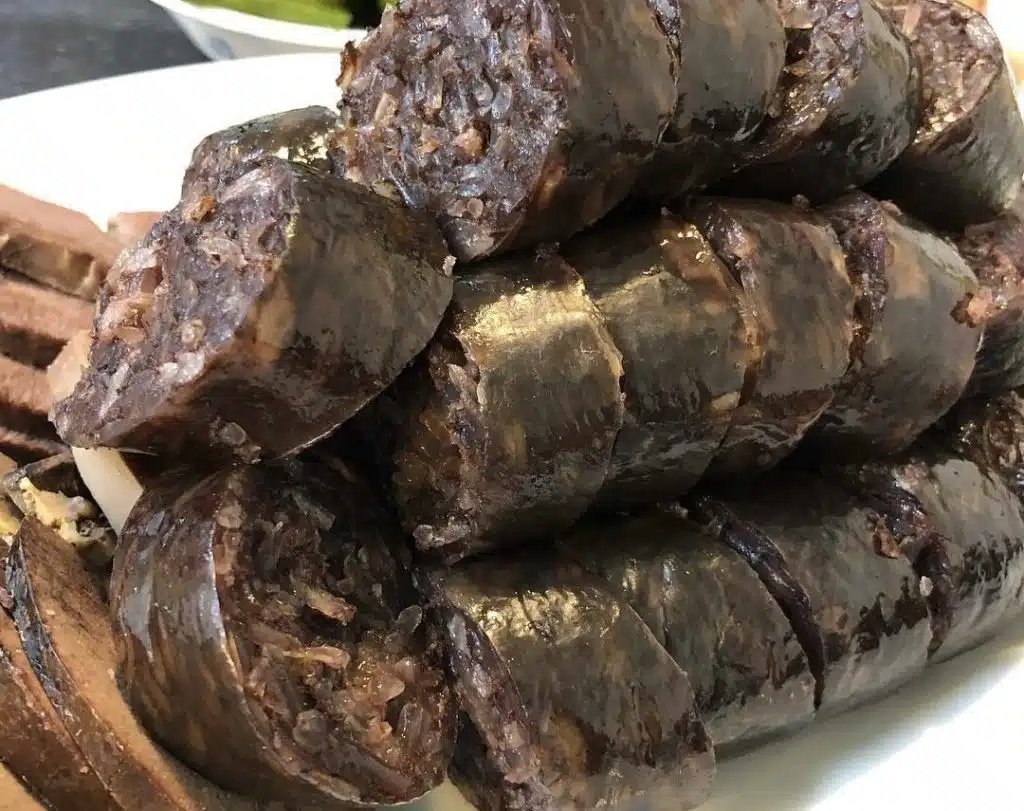
Although black and white pudding are common in Scotland, England, and Wales, drisheen is uniquely Irish, and a unique pudding as well. Drisheen has a softer and more gelatinous texture than other puddings.
It is made of cow’s, sheep’s, or pig’s blood, and mixed with breadcrumbs and spices. This is one of the more challenging meals for the culinary adventurer! This is one of the foods you should try when visiting Cork.
6. Tobacco Onions – if you love curly fries

Savoury and spicy, these crunchy, delicious onions are popular all over Ireland. They can be served on their own, as a snack, or as the topping for steak, burgers, and other foods.
They resemble shredded tobacco, which is how they got their name, but don’t let that off-putting impression fool you. These are perfect as a finish for cheeseburgers after you’ve had a skinful of pints!
5. Gur Cake – the fruitcake of school-skipping children

A kind of fruitcake that originated in Dublin, known by other names throughout Ireland, like Chester Cake or Donkey’s Gudge in Cork.
The name Gur Cake originated from schoolchildren who were skipping classes, or “on the gur”, and a child could supposedly last all day on a single slice of this cake. It is made with stale bread or leftover cake and sultanas sandwiched between two thick slices of pastry.
4. Yellowman – for the love of honeycomb

For fans of honeycomb, Yellowman will be a firm favourite! This delicious County Antrim treat is a popular choice in Ballycastle at the Ould Lammas Fair, one of the oldest annual fairs in Ireland. Sweet, tangy, and crunchy, it might get stuck in your teeth, but it leaves a delicious taste behind.
3. Dulse – from the land to the sea
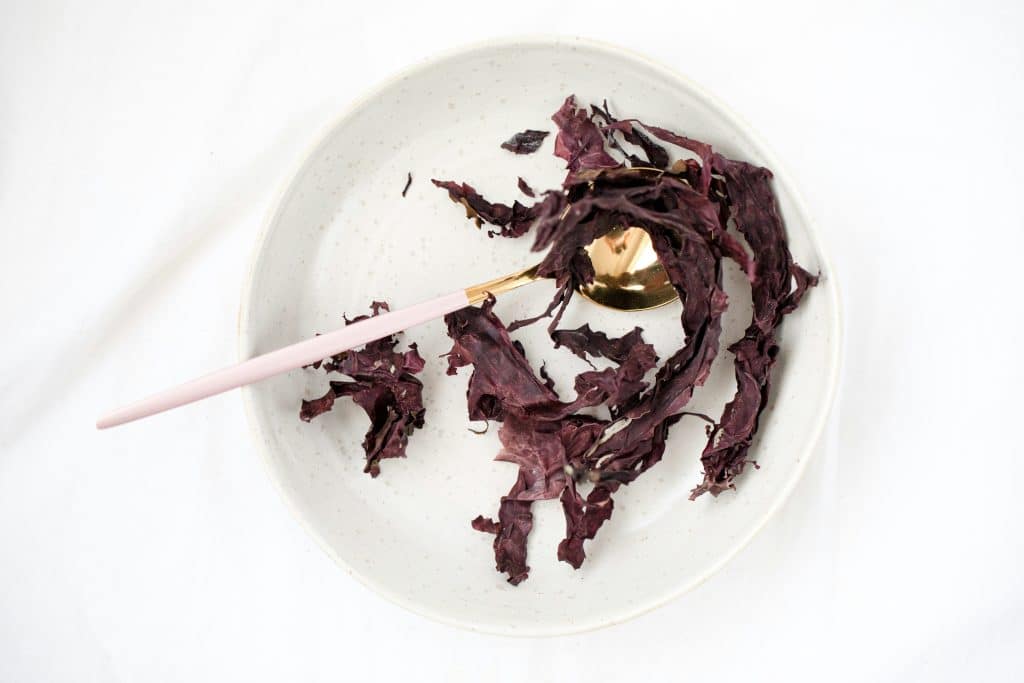
As a green island washed by the waves of the Atlantic, much of Ireland’s spectacular cuisine originates from the sea. Dulse, also known as dillisk, is a kind of seaweed. When you buy it, it has most likely been dried, and some people like to fry this Irish delicacy.
Reddish-purple in colour, it is an ancient food known for its healthy properties due to its high concentration of iodine. It is eaten as a salty snack and can be cooked into White Soda Bread.
2. Wurly Burger and Wurly Dog – give them a whirl

These legendary results of the existence of the deep fryer are popular across Ireland, and yet somewhat rare to find!
These delights are created by chippers around the country by deep-frying the burger or hot dog and serving them on a bun with sauce. This is one Irish dish that just might be too greasy for tourists.
1. Skirts and kidneys – hot stew on a cold day

Nothing beats a hot stew on a cold day, and the Irish love a good stew! However, this one might take a little getting used to – it’s made of kidneys and other cuts from the butcher. Still, there’s nothing like a hearty stew to warm you up on a cold and rainy evening!