Every year, these overrated places in Ireland attract tourists, and every year they bring the same disappointment.
For reasons that baffle the locals, these places keep drawing thousands of tourists.
After all, all it takes is a good advertising campaign, a bit of media hype, and a half-made-up story to attract tourists from all over the world, who come to kiss a rock soaked in urine, pay for a pint with an overpriced receipt, or even rub a bronze statue for good luck.
The Blarney Stone – kiss a rock, and question your life choices
Steeped in tales, the most widely accepted version tells that this stone helped a chieftain of the McCarthy clan extricate himself from a difficult situation with Queen Elizabeth I. This is why the word ‘Blarney’ is said to mean ‘beguiling but misleading talk’.
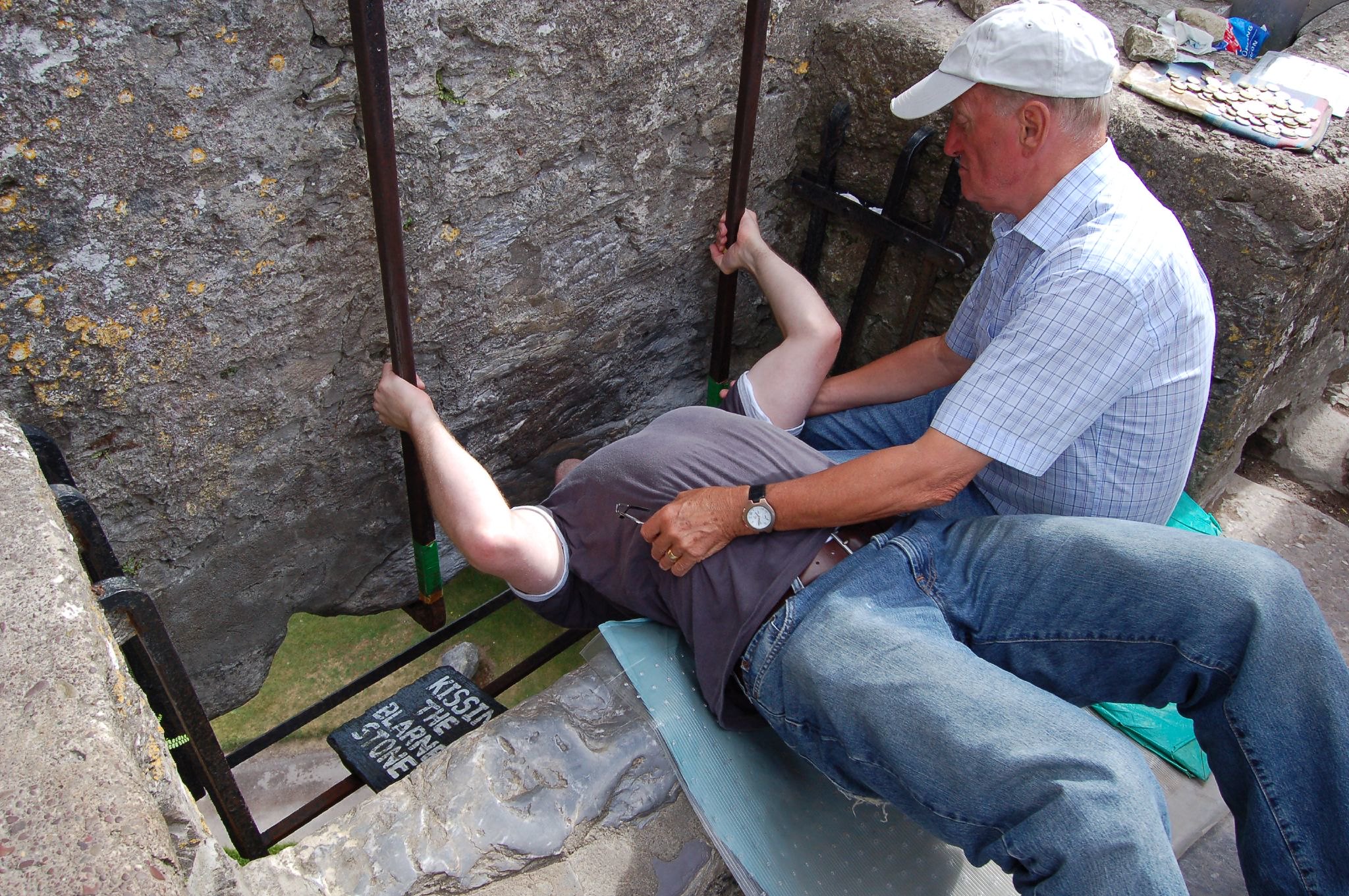
Whether it is because of the legend or simply out of curiosity, every year, hundreds of thousands of people kiss the Blarney Stone in the hope of gaining the ‘gift of the gab’, that is, the ability to speak with eloquence, wit, and charm.
Truth is, the legend is more exciting than the experience.
After queuing up and climbing narrow stairs, the setup feels awkward and very unsanitary if you are to believe the rumour shared by the locals about some people taking pleasure in urinating on the monument, knowing that others will kiss it.
The Spire – Dublin’s tallest “that’s it?” moment
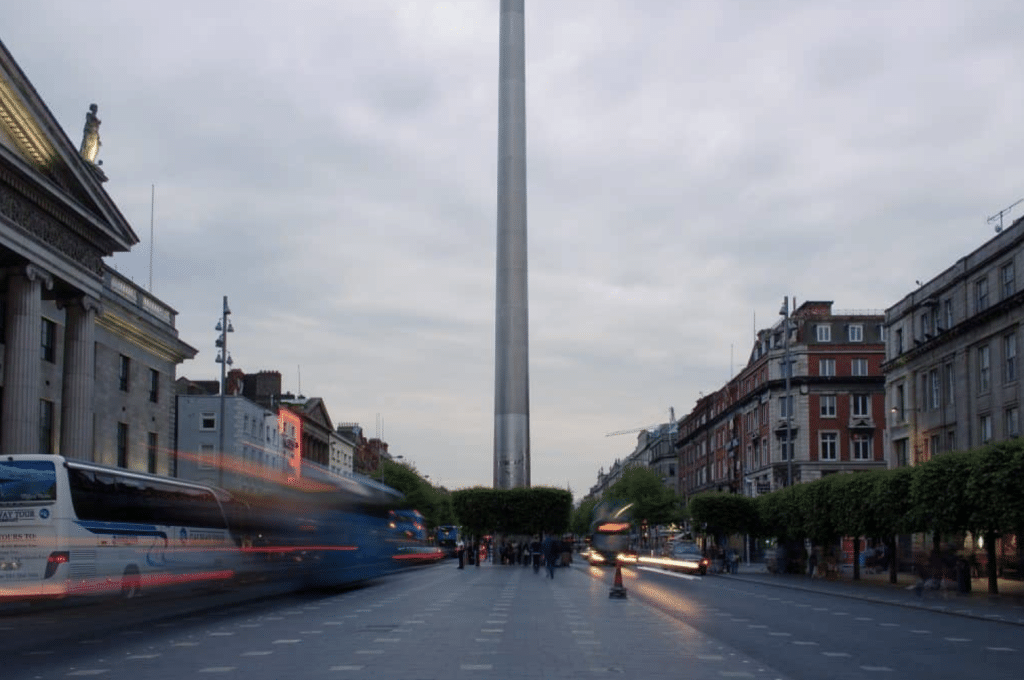
The Spire in Dublin, also known as the ‘Monument of Light’, can also be a disappointment. First promoted as a major civic symbol, this giant pin-looking monument, 120 meters tall (390 feet), can be quite underwhelming.
The monument was built to replace Nelson’s Pillar, destroyed in 1966, in the spirit of building something that would symbolize a modern, renewed, more forward-thinking Dublin.
Although the idea was to create something meaningful, most visitors see it as a giant eel right in the heart of the city, serving more as a meeting point than a landmark.
The Crown Bar – a grand old pub with no shortage of tourists
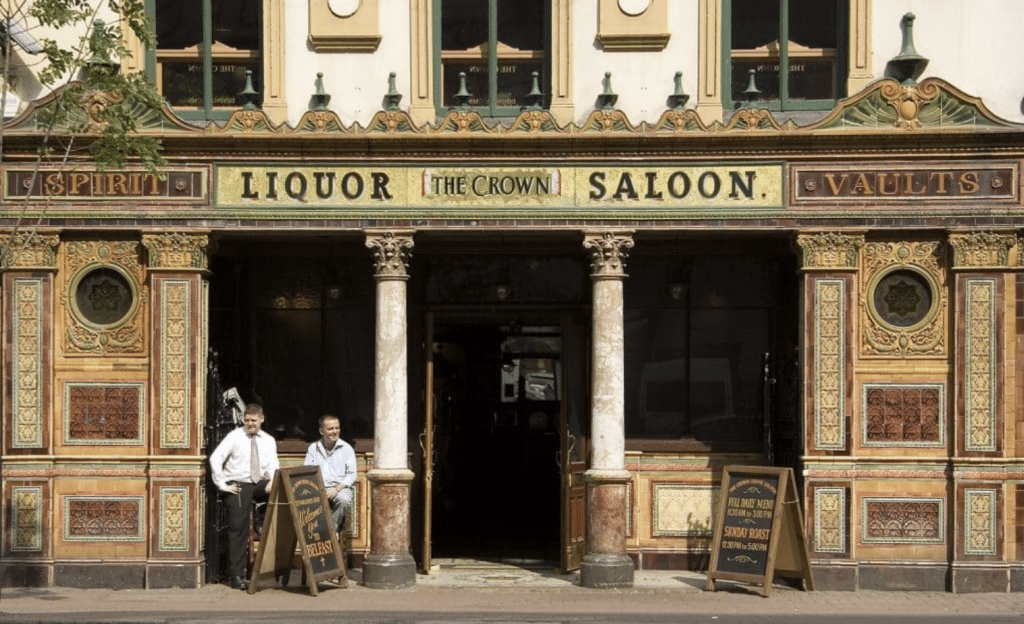
The Crown Bar in Belfast is the city’s best-known Victorian pub; it is famous for its 19th-century interior decor, featuring engraved stained-glass windows and carved woodwork.
Unfortunately, this pub is a victim of its own success; the beauty of the place attracts large crowds, making the experience in the pub rather chaotic.
Instead of enjoying the much-coveted atmosphere and a nice pint, you’ll end up queuing for ages and paying the tourist tax.
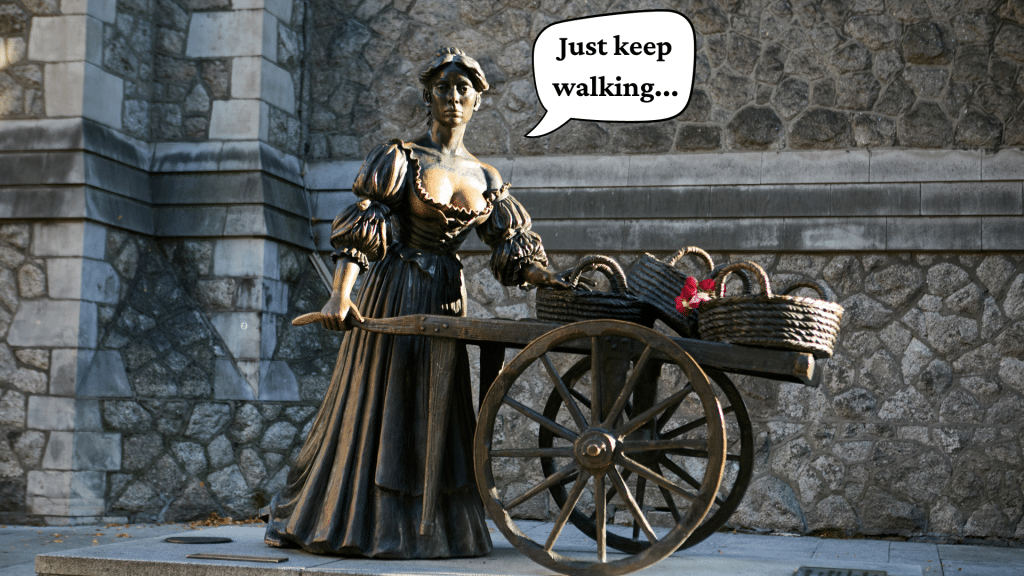
Molly Malone Statue – the city’s most overhandled landmark
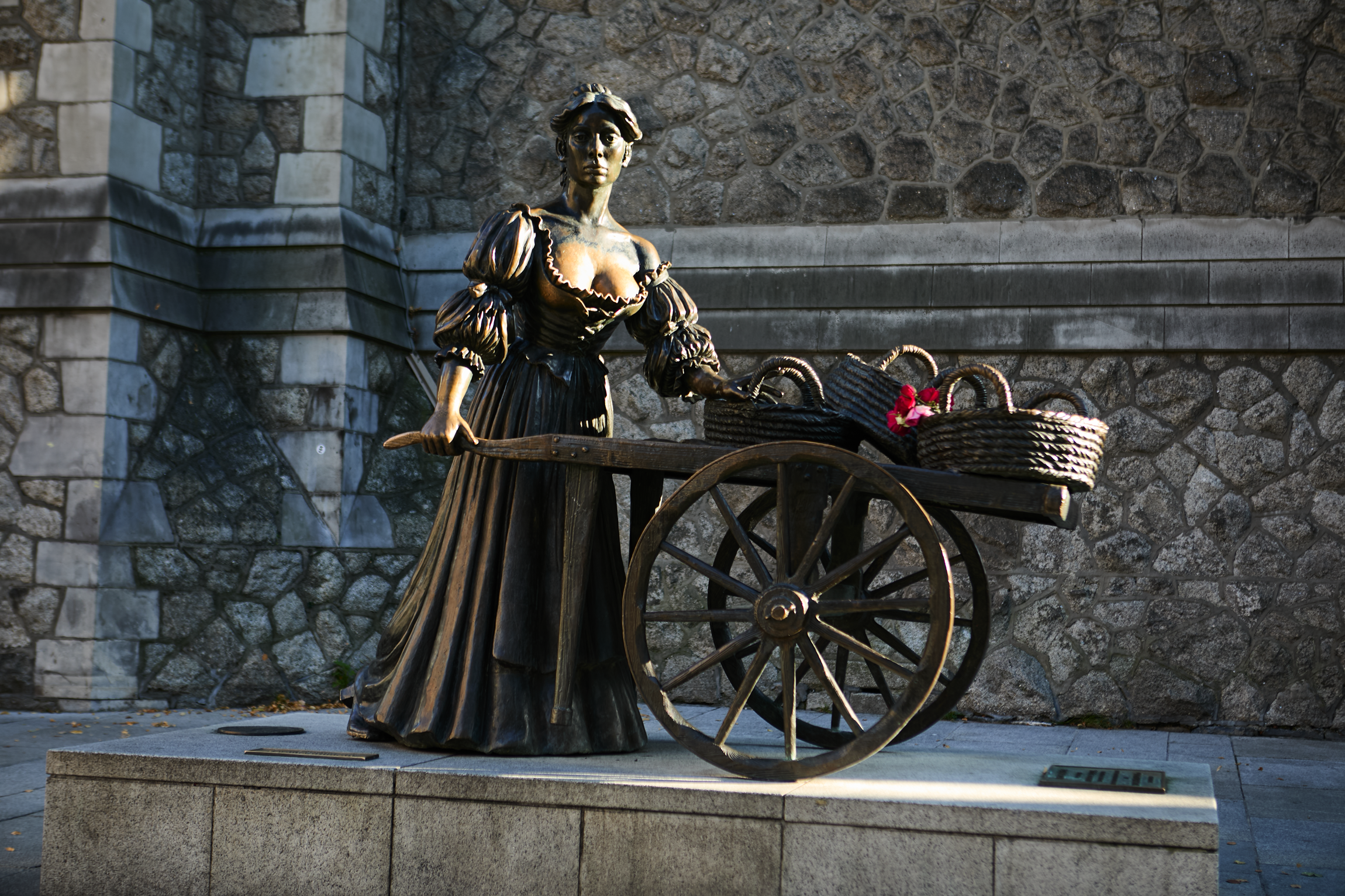
Probably one of the city’s most touched-up celebrities. Molly Malone can’t catch a break since it was unveiled in 1988 as part of Dublin’s Millennium celebrations, inspired by the famous song “Cockles and Mussels”.
The bronze statue draws on a blend of legends and popular culture. Molly may or may not have existed, but she is generally portrayed as the young fishmonger who sold cockles and mussels by day and died of a fever whilst still very young.
Every year, tourists come to take photos and stroke her chest in the belief that it will bring them good luck.
This practice, considered tacky and disrespectful by many locals, has shifted attention away from Molly Malone as a folk figure and toward a tourist gimmick.
Temple Bar – the most overhyped place in Ireland
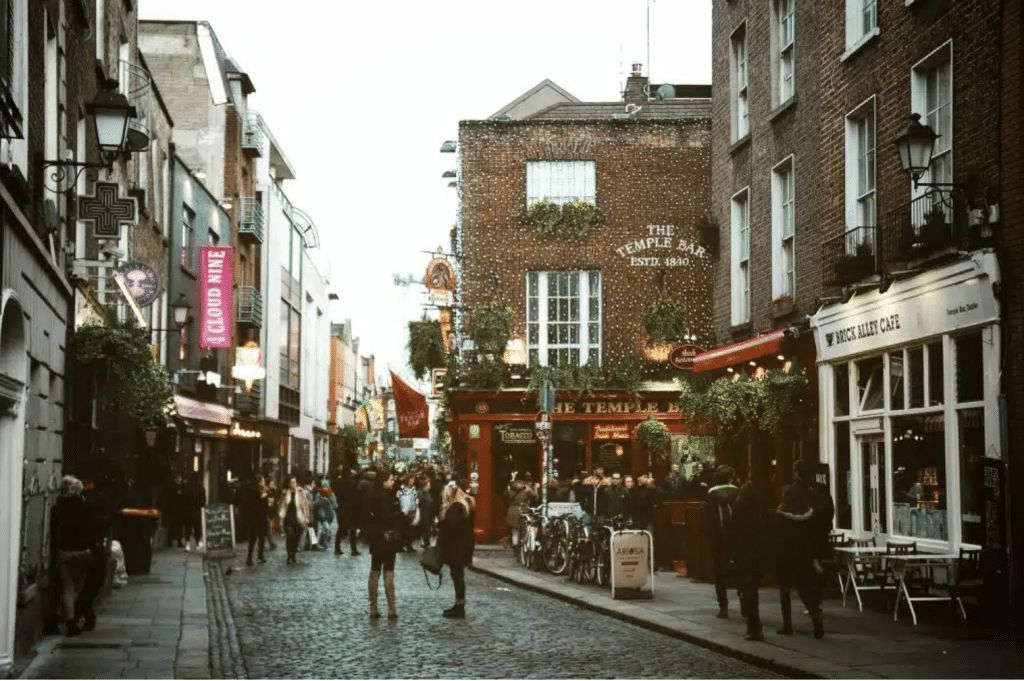
The most overrated tourist spot in Ireland is Temple Bar. Famous around the world for its red brick facade, the pub’s fame is mostly the result of a well-thought-out brand strategy.
Located in the more historical Temple Bar district, the bar is a tourist trap where you won’t find any locals.
Over there, pints are subject to a tourist tax, which almost doubles the price of Guinness.
However, every year, thousands of tourists fall for the scam, realising too late that this iconic site’s reputation is, in reality, first and foremost a facade.
These overhyped places in Ireland will nevertheless continue to attract thousands of tourists every year. As their media coverage has far exceeded their historical significance, they remain on people’s ‘must-see’ lists despite the almost constant disappointment.