Most of these Irish towns have limited job opportunities, making it difficult for ambitious youth to thrive.

Ireland is often celebrated for its vibrant culture and scenic beauty. However, issues such as a high cost of living, poor wages, and limited career opportunities often frustrate the younger generation.
Social discussions and local surveys have identified towns that make it difficult for Millennials and Gen Z to build independent lives. Here are the top ten worst towns in Ireland for young people.
10. Wexford Town, Co. Wexford – drug issues and limited career opportunities

Social surveys frequently cite a lack of long-term career progression in Wexford, as most jobs are seasonal. While the town is currently showing signs of recovery, local youth employment remains a challenge.
There are also concerns about a drug epidemic specifically targeting teenagers and young adults, which is compounded by the high rate of youth unemployment.
A report by South East Radio has identified that cheap and dangerous drugs (benzodiazepines) are being distributed through local networks and sold to young people, including school-going children.
9. Portlaoise, Co. Laois – the town is becoming a massive dormitory
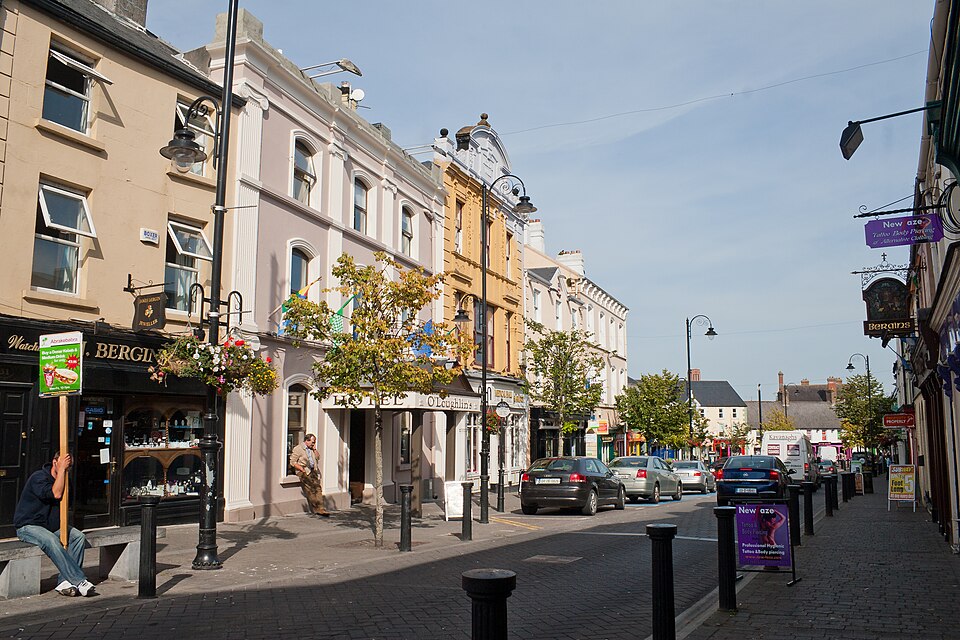
Portlaoise has recently experienced rapid population growth, but most people who live here work elsewhere.
The town lacks a “living” atmosphere for young people who feel it’s more of a massive housing estate than a vibrant community.
The current infrastructure doesn’t seem to support rapid urbanisation, resulting in a shortage of social amenities, including modern gyms, cinemas, and entertainment alternatives.
A “commuter-first” system has made it difficult for young people to build a social life within their own town.
8. Tuam, Co. Galway – stagnant job markets drive away ambitious graduates

Tuam is frequently cited in online conversations for being one of the worst towns in Ireland. Most people mention traffic congestion and security concerns, especially at night, as issues that have caused the town to lose its charm.
For young people, there is a general sense of stagnation since the local economy doesn’t offer many opportunities to local graduates.
While the town’s proximity to Galway city provides a nearby escape, it also negatively affects Tuam’s local social scene.
7. Longford Town, Co. Longford – high unemployment rates limit the local potential
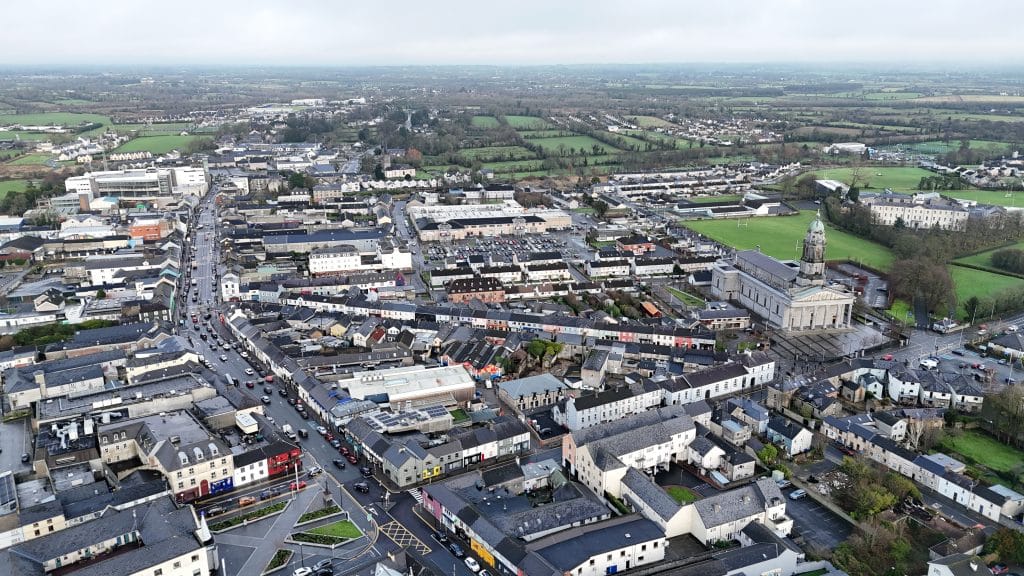
Longford Town has a reputation for high unemployment and a lack of investment in youth-focused amenities. Newcomers often get demoralised by the visible dereliction in the town centre, as this reflects a lack of opportunities.
Incidents of violent crime have historically plagued this town, with most locals expressing concern over their safety in the evening.
Some online forums have also highlighted Longford’s lack of atmosphere necessary to attract the younger generation into the town. Most people believe that the lack of growth in the local industry limits the local potential.
6. Drogheda, Co. Louth – ongoing safety concerns impact the social atmosphere

Social discussions and surveys have described Drogheda as one of the worst places to live in Ireland due to significant challenges for visitors and locals. However, the town has unique issues that make it difficult for young people.
The town, which has faced significant periods of industrial and social unrest, has frequently been at the centre of drug wars. There have been reports of brutal killings to attempted assassinations in broad daylight.
In many social discussions, most people are concerned about safety and antisocial behaviour in certain estates. The town also faces neglect and dereliction, with hundreds of vacant properties in the town centre.
Drogheda is also a commuter town with limited local jobs. Young people are forced to commute to Dublin for work and social life, making the town centre feel like a “ghost town” on weekdays.
5. Tralee, Co. Kerry – limited career paths outside of traditional sectors

Tralee is a university town, but most young people in the area find it notoriously difficult to transition from student to professional life.
Most of them frequently complain about limited career opportunities, particularly in the retail and hospitality sectors.
Many graduates feel the town lacks the professional infrastructure that can motivate them to stay after finishing their studies at Munster Technological University (MTU).
Other common criticisms include safety and antisocial behaviour. Recent reports indicate growing concerns among residents and business owners regarding safety, especially at night.
4. Arklow, Co. Wicklow – the town struggles with a lack of investment

Critics often describe Arklow as a town that “time forgot,” with most people complaining about its economic decline and severe dereliction. The town is uninspiring to young people looking for a vibrant, centralised hub for meeting and socialising.
The presence of out-of-town shopping centres is also one of the reasons making the town feel lifeless. Arklow lacks a diverse social scene beyond traditional pubs, with a few options available for modern recreation.
Recent reports have highlighted cases of Wicklow teens involved in drug dealing and substance abuse. There are also rising concerns about children using nitrous oxide (laughing gas).
3. Ballina, Co. Mayo – geographical isolation creates a barrier to growth

Ballina is a beautiful place to live, but the town can feel isolated due to the lack of a nearby motorway or fast rail links.
The town has limited career options, with only a few large employers. Those who don’t have skills aligned with those industries certainly move elsewhere.
This lack of choice is a major deterrent for young people looking to build their careers in other sectors.
2. Carlow Town, Co. Carlow – over-reliance on the student population’s spending

While Carlow Town has a large student population, it faces a high unemployment rate. Young professionals in this area have very few opportunities tailored to their age group, making them move to other areas after their university years.
The town centre is also struggling with urban decay and hygiene issues, with most people criticising it for going downhill since the COVID-19 pandemic. Most residents live in areas considered “deprived,” with some locals describing the town as having a “small town mindset.”
Other issues include concerns about rising cases of violent crime, assaults, and robberies, discouraging young people from investing in this town.
1. Mullingar, Co. Westmeath – the classic dormitory town with little soul

Mullingar has a reputation as the ultimate “dormitory town” because most of its residents commute to Dublin.
Many people often describe it as one of the Irish towns that people regret moving to for various reasons, including antisocial behaviour, a reputation for litter, and limited facilities for the younger generation.
Residents spend most of their time commuting and sleeping, often spending the weekend recovering rather than enjoying the town.