A light look at the cultural habits that don’t quite land back in Ireland.
Irish American pride runs deep. Like really, really deep. And while most of it comes from a good place, every so often this pride butts up against modern-day Irish life in a way that is, shall we say, mildly excruciating to watch.
Not necessarily insulting or shocking, just… a little awkward and cringe. Here are ten of the biggest offenders.
10. “I’m Irish” – when ancestry becomes a full identity
In modern Ireland, national identity is tied to where you are from, not who your 7th-great grandfather was.
So when a person born and raised in Boston excitedly exclaims, “I’m Irish!”, it sounds a bit off. Not offensive. Just confused. It’s the equivalent of someone saying, “I’m Italian!” because they once ate pasta in Rome.
9. The accent attempt – a bold but doomed impression
The minute that accent attempt begins, a collective groan echoes across Ireland (the real Ireland, not the land of green hats and rainbows).
Usually it’s some bizarre mashup of three different regional accents, laced with a leprechaun tinge and topped with an inexplicable nasal warble. The longer it goes on, the more painful it becomes for everyone involved to pretend to be amused.
8. “Top of the morning” – a phrase that time forgot
Credit: commons.wikimedia.org
Oh, this one simply will not die. In modern Ireland, nobody says “top of the morning”, it’s not an actual Irish phrase. The only way you’ll hear this phrase spoken is during a terribly made 1950s Irish leprechaun movie.
When people hear it in Ireland, they’re taken to an alternate universe where St. Patrick’s Day is a constant, year-round event and everyone smells perpetually of whiskey.
7. St. Patrick’s Day – when it turns into a green-themed circus
Credit: choosechicago.com
In America, 17 March is an orgy of green-dyed everything, over-the-top drinking rituals and costume contests that involve far too much glitter. In Ireland?
It’s still pretty celebrated, but in a far more relaxed manner. There are parades, sure, and a few pints with mates, but rarely a city-wide dress code that dictates everyone must don shamrock onesies and face paint.
6. Guinness as a personality – more than just a pint
Credit: Flickr / Aaron Hockley, CC BY-NC-ND 2.0 DEED
Now, don’t get us wrong, Guinness is fantastic. And, yeah, it’s Irish. But it is NOT the central focus of Irish culture, a fact we seem to have to reiterate constantly.
When Irish Americans claim Guinness is their whole life, it comes off less as passion for a country and more as defining their entire personality based on a beverage. Not ideal.
5. The Claddagh confusion – symbolism without the meaning
Credit: Pinterest/ etsy.com
It is, as the saying goes, “a token of your true love”, a traditional Irish symbol. And while the exact meaning depends on which finger it is worn and which direction it is facing, it’s often used in America in any random way that seems pretty.
This can be more than a little perplexing to people who grew up with the real thing and actually know the real meaning behind it.
4. Stereotyping Ireland – leprechauns, pubs, and not much else
Credit: pxhere.com
People come over to Ireland expecting little thatched cottages and rolling green fields. While it’s true that there are a lot of small villages like that, Ireland also has some booming modern cities with tech industry and contemporary culture.
Treating Ireland like some sort of stagnant theme park replica will get the old eyeroll.
3. Romanticising “the struggle” – history as aesthetic
Credit: Flickr / Kaspar C
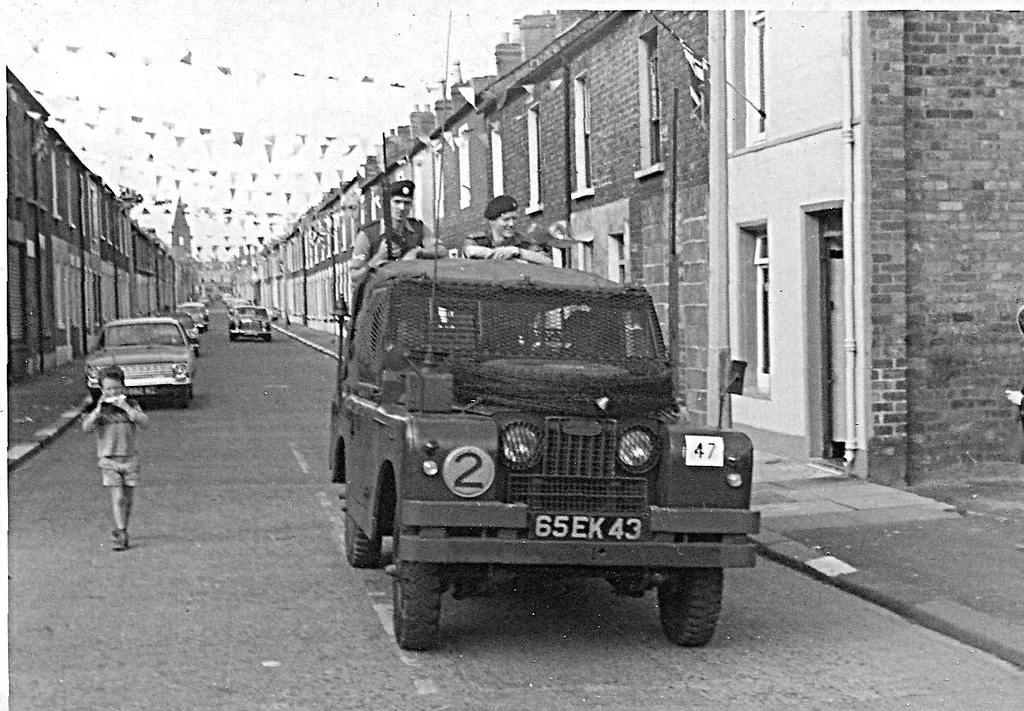
This isn’t a huge offence by any stretch of the imagination, but all too often Irish Americans will regale us with stories of “the struggle”, which have the ring of a dramatic, possibly made-up family saga.
Yes, there has been struggle, but you can definitely tell when a person is romanticising history vs when they are really trying to share with you a bit about Ireland’s complicated and very real past.
2. Confident takes on Irish politics – without the context
Credit: pexels/ RDNE Stock project
When an Irish American starts dictating their opinion on Irish issues such as Brexit or the border between Northern Ireland and the Republic of Ireland, they usually aren’t privy to the same kind of information that informs the debate amongst actual Irish citizens.
Everyone is entitled to an opinion, but it should be educated and well-researched – not just the passionate (and frequently incorrect) ramblings of an enthusiast.
1. Expecting a time capsule – when reality doesn’t match the image
Credit: Facebook / @AranIslandThatchedCottage
Some visitors arrive expecting rolling green hills, tiny cottages, and not much else. While those exist, so do motorways, modern cities, and a very current culture. The surprise that Ireland isn’t frozen in the past is always a bit telling.
At the end of the day, none of this comes from malice or a desire to offend but more from misguided enthusiasm and a lack of experience in real, current Ireland.
Irish American culture is its own culture, which is totally fine. Just please don’t try to present it as 100% consistent with what life is actually like in Ireland today.
Jaclyn Lindsay is an Irish writer with a BA in English Literature and Creative Writing from the Open University and an MA in Creative Writing from Queen's University Belfast, whose work focuses on capturing the character, culture, and everyday experiences that make Ireland unique, using a strong attention to voice and detail to bring readers closer to the traditions, language, and local nuances that shape life across the country, while combining cultural insight with an engaging and accessible style across a wide range of content from informative guides to more reflective writing, balancing credibility with personality to create content that connects with readers and brings Ireland’s stories to life.