For those who have never heard of Women’s Christmas, we dive into the history of this ancient Irish tradition.

Translating as ‘Women’s Christmas’ from Irish, Nollaig na mBan is an integral part of Irish cultural traditions during the festive season.
The unique and much-cherished tradition marks the end of the Christmas season and is a time to celebrate women, but where did this tradition begin, and does it still exist today?
These are some questions you might have had, or perhaps this is your first introduction to the tradition. Either way, we will dive into the history of Nollaig na mBan and discover the roots of this much-loved part of the Irish culture.
Ireland Before You Die’s fun facts about Nollaig na mBan:
- On this day, men were expected to take over the duties of women while the women took a well-deserved break.
- It was believed that the floor should be swept, and a bucket of clean water should be ready before going to bed, but the water from that bucket should never be used in the morning.
- Nollaig na mBan is the last official day of Christmas and goes by the biblical name, the Feast of the Epiphany.
- On the eve of Women’s Christmas, animals were said to be able to speak, while well water turned to wine, but those who observed this bestowed bad luck upon themselves.
Overview – what is Nollaig na mBan?

Nollaig na mBan usually takes place on 6 January each year to mark the end of the Christmas season.
While it has evolved, like many other Irish traditions, its roots are still widely acknowledged, and its origins are deeply connected with women’s roles in the household and as part of the community.
So, what happens on Women’s Christmas? On this day, women take a break from their usual duties and instead gather together to share stories, relax, and enjoy the company of other women in their lives.
Of course, these days, the role of women in the household is not what it used to be, so we will delve into the history of this holiday and how it is perceived and celebrated today. Let’s take a look.
MORE ON CHRISTMAS TRADITIONS: Top 10 Christmas Day SWIM locations in IRELAND.
The history of Nollaig na mBan – a deeper look at the roots of Women’s Christmas

So, where did it all begin? Traditionally, Irish women were the powerhouses of their homes, taking charge of cooking and cleaning duties and looking after the children.
When Christmas came around, women had their hands full, preparing large feasts, handling other domestic responsibilities, and being at the forefront of their communities.
The tradition of Nollaig na mBan is deeply rooted in a rural Irish tradition, where women usually take a break from their duties on the 12th day of Christmas. The day is also called the Feast of the Epiphany, when the three wise men were said to have visited Jesus.
As the holiday’s festivities ended, women were given a well-deserved rest day when they could relax and unwind with other women after the hard work of the festive season.
One of the most intriguing aspects of this tradition is that the roles of men and women were switched, so while women enjoyed their free time with female friends, the men took over the household duties.
Women would traditionally make the rounds of family and friends’ houses to enjoy the remaining Christmas treats and a cup of tea or two while chatting and sharing stories.
While this was indeed a ‘reward’ for women’s hard work, it was telling that the women enjoyed the leftovers on the last day of Christmas, while everyone enjoyed the finest treats on Christmas Day.
Traditions of Women’s Christmas – the many customs on the last day of Christmas

While the main tradition of Nollaig na mBan was for women to take a well-deserved break, many other traditions went alongside this special day.
As we mentioned, this was officially the last day of Christmas, and it was believed that taking down your Christmas tree or decorations before 6 January or Nollaig na mBan would bring bad luck. This is still widely acknowledged today in Ireland.
In addition, the Christmas holly was saved for Shrove Tuesday (Pancake Tuesday), where it would be used in the fire that would cook the pancakes before Lent began.
Other customs related to Nollaig na mBan included rubbing the tail of a herring across children’s eyes to prevent any disease in the future.
Moreover, it was believed that water turned to wine at midnight and that animals could talk. However, anyone who witnessed these phenomena was cursed with bad luck.
Nollaig na mBan in recent years – a potential revival?

Is this Irish tradition still acknowledged? The answer is tricky. Believe it or not, Nollaig na mBan is well known in some parts of Ireland, but other regions claim never to have celebrated this tradition.
It was by the mid-20th century that the celebration of women during Nollaig na mBan slowly faded away, but in recent years, we have noticed a revival of this long-standing custom.
It is common to notice hotels and restaurants offering special ladies’ evenings, meals, or afternoon teas to celebrate the occasion.
While many of the traditional customs have slowly faded away, Ireland still holds on to the tradition of celebrating, appreciating, and acknowledging the efforts of women, which has transcended borders, with many celebrating this holiday worldwide, too.
So, for our upcoming Nollaig na mBan, show your appreciation for the women in your life and keep your eyes peeled for local celebrations that may emerge.
RELATED READ: 10 Irish CHRISTMAS foods everyone NEEDS to try.
Notable mentions
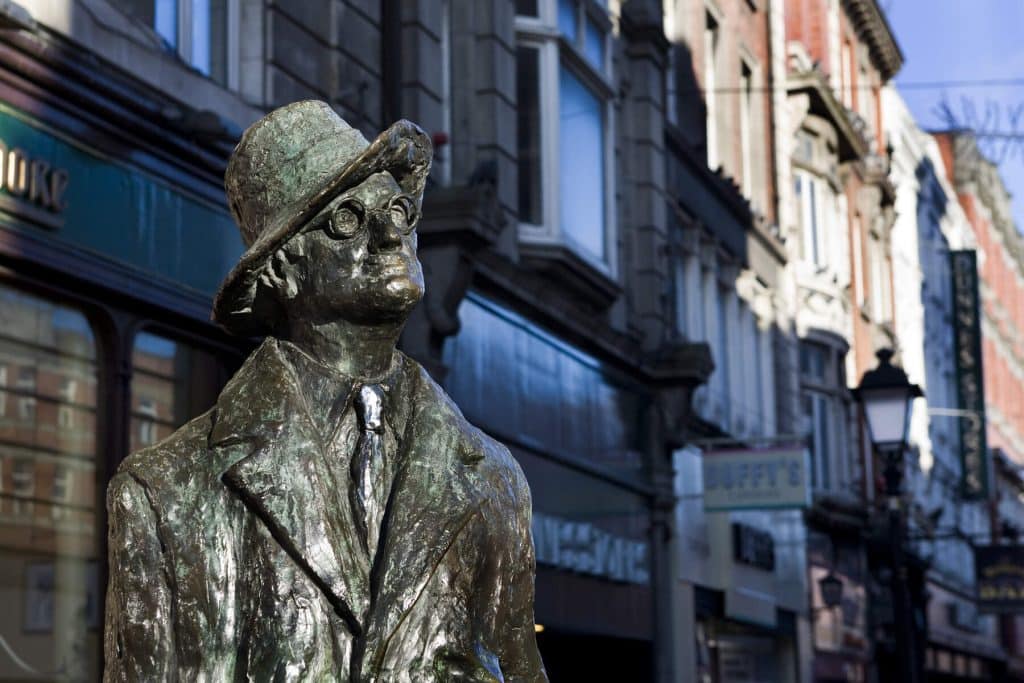
Storytime: ‘The Dead’ by James Joyce is a famous story to tell on this day since it is set on the night of the Epiphany.
County Cork: The tradition of Nollaig na mBan is the strongest in County Cork, and this can be seen with restaurants and bars jam-packed with women on 6 January every year.
Mother’s Day: There was once a strong custom for children to buy their mothers and grandmothers gifts on Women’s Christmas; however, this tradition is slowly overtaken by Mother’s Day.
Your questions answered about Nollaig na mBan
Don’t worry if you still have questions; we’ve got the answers! In this section, we answer some of our readers’ most frequently asked questions about this topic, along with popular questions in online searches.

What is Nollaig na mBan?
Nollaig na mBan is an Irish tradition celebrated in many parts of the country. The holiday is held on 6 January, marking the end of the Christmas season.
It celebrates women’s hard work and efforts during this busy period. The day sees women taking a break while men take on the household chores.
What does Nollaig na mBan mean?
It means Women’s Christmas in Ireland, but the holiday has also been called Little Christmas or Feast of the Epiphany.
How to pronounce Nollaig na mBan?
An easy way to remember this pronunciation is ‘Null-igg na Mon’.
There, you have the fascinating history of Nollaig na mBan, a beautiful traditional celebration of the efforts of Irish women throughout the festive period. So, let us revive this tradition as Nollaig na mBan 2024 approaches.