
For the first time ever, over 700,000 Irish census return sheets from 1926 will soon be available to view online.
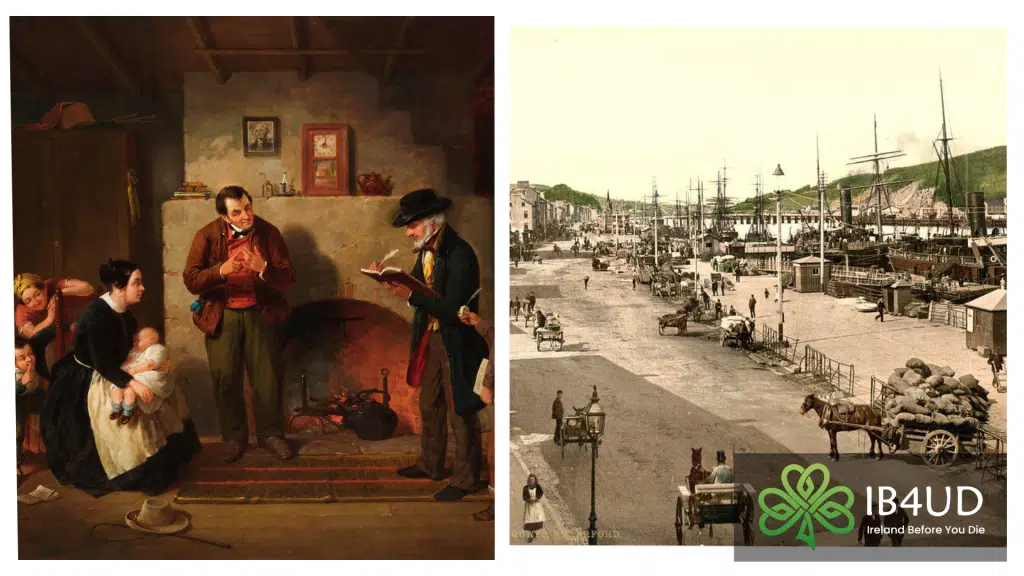
Ireland’s 1926 Census will go digital in April 2026, allowing families with Irish roots to discover their history.
The 1926 Census will offer a unique glimpse into Ireland’s population at the time, including information such as age, occupation, religion, housing, and language.
The €5 million project from the National Archives of Ireland will make the results of the Republic of Ireland’s 1926 Census available online for free.
Discover your family history – take a look back in time

Personal information entered on census forms can be made public 100 years after a census is taken. So, the time is coming for the results of Ireland’s 1926 Census to be released.
Public interest in historical census information has boomed since the results of the 1901 and 1911 Census’ were released. So, the National Archives of Ireland has decided to make the 1926 Census results digital for the first time in April 2026.
The returns include personal information about every individual living in the Republic of Ireland in 1926. This includes details such as name, age, sex, marital status, ability to speak Irish, religion, and housing conditions.
Ireland’s 1926 Census goes digital – get a glimpse into Ireland’s past

The details of the 1926 Census will provide a fascinating snapshot into life in Ireland a century ago. The results will undoubtedly be of great interest to people living in Ireland and the wider Irish diaspora.
In 1926, Ireland’s population was 2,971,992, with 49% females and 51% males. Perhaps surprisingly, this marked a decrease in the country’s population size as the 1911 census showed the population as 3,139,688.
The Census results from this period also revealed that Dublin was the only area to see an increase in its population.
The 1926 Census results also revealed that 92.6% of the population was Catholic and 18.3% could speak Irish. Meanwhile, 51% of employed people worked in agricultural occupations, 4% as fishermen, 14% in manufacturing, and 7% as domestic servants.