Arthur Guinness was reportedly born on 28 September 1725. As such, Arthur’s Day was born. So, let’s take a look at the history of Guinness through a timeline spanning centuries.

Guinness is a name and a brand that resonates with Ireland and Irish culture. It has an unparalleled history dating back to the late 18th century.
Arthur Guinness, the visionary brewer behind Ireland’s beloved famous stout, laid the foundation for what would eventually become an international icon.
In this article, we will embark on a journey through time to explore the pivotal milestones in the history of Guinness, tracing its evolution from a modest Dublin brewery to a global phenomenon.
Ireland Before You Die’s crazy facts about Guinness:
- Guinness Draught isn’t actually black, it’s ruby red.
- Guinness was once prescribed for pregnant women as an effective source of iron.
- Of the five Guinness breweries around the world, three of them are in Africa.
- In 2000, Guinness commissioned a study that found that an estimated 160,000 pints of the stout are lost every year because of facial hair.
- Guinness originally started off brewing ale, not stout.
1759

Guinness was founded when Arthur Guinness bought a small brewery in Dublin. The brewery originally dealt with ale and beers.
Arthur Guinness was just 34 years old when he signed the iconic 9,000-year lease for Guinness. This marks the beginning of the fascinating history of Guinness.
1769
It was in 1769 that the first export shipment of six and a half barrels of Guinness stout left Dublin on a sailing vessel set for England.
1775
Dublin Corporation’s sheriff attempted to cut off and fill in the water course from which the brewery drew its free water supplies. Arthur Guinness defended his water supply with determination.
1801

The first record of brewing the Guinness variant West Indies Porter emerged. This beer was made with a higher hop rate to withstand long sea journeys, serving as a precursor to the modern-day Guinness Foreign Extra Stout.
1803
Arthur Guinness passed away at the age of 78, and his son, Arthur Guinness II, took over the brewery. This marked the start of an impressive brewing dynasty.
1815
Guinness gained fame in Europe, with legends stating that it aided the recovery of a wounded cavalry officer at the Battle of Waterloo.
1821
Arthur Guinness II made specific brewing instructions for a beer known as Guinness Extra Superior Porter. This laid the foundation for today’s Guinness Original.
1822
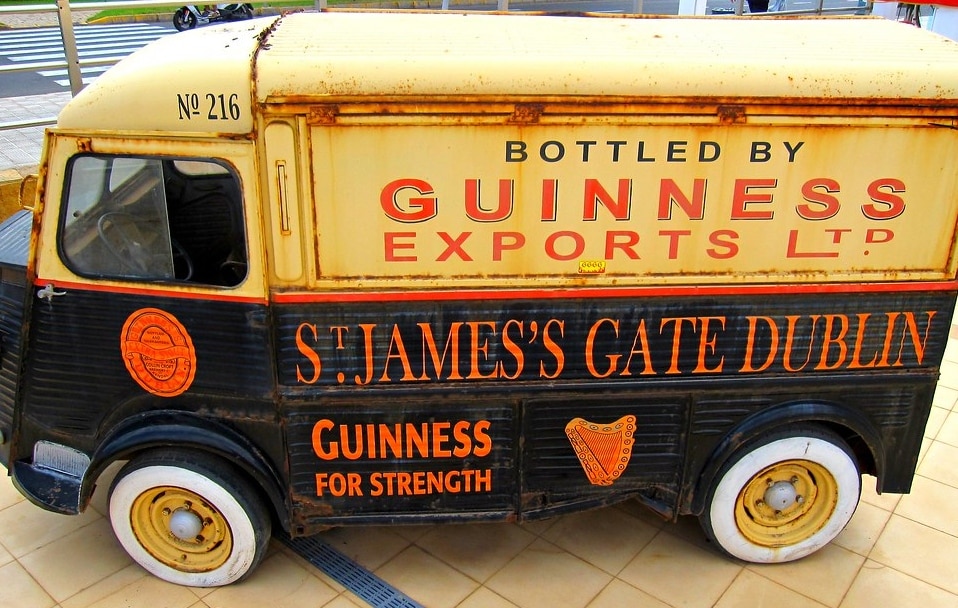
A monumental moment as the first international shipment to the Caribbean arrived in Barbados.
1824
The first known advertisement for Guinness’s West Indies Porter appeared in a Dublin newspaper, marking its global recognition.
1827
The first recorded shipment of Guinness to Africa arrived in Sierra Leone.
1833
The Guinness brewery became the largest brewery in Ireland. This milestone was a real testament to its rapid growth and popularity.
1850s
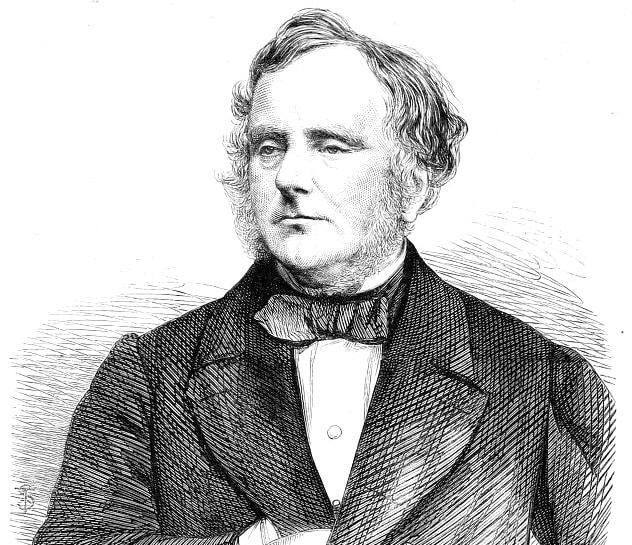
Sir Benjamin Lee Guinness, the son of Arthur Guinness II, took over the brewery from his father.
1862
Guinness introduced its trademark label, featuring the harp and Arthur Guinness’s signature, setting the stage for its iconic branding.
1868
Benjamin Lee Guinness passed away. As such, the dynasty of Guinness continued when his son Edward Cecil took over.
1869
The Guinness Brewery doubled in size over the new guidance of Edward Cecil. The brewery expanded north to accommodate new buildings connected by an internal railway system.
1886
Guinness made history by becoming the first major brewery to be incorporated as a public company on the London Stock Exchange, with an annual production of 1.2 million barrels.
1893
Robert Louis Stevenson famously wrote about drinking Guinness while recovering from influenza in Western Samoa.
1890s
Edward Cecil Guinness was appointed the first Lord of Iveagh and established the Guinness and Iveagh Trusts, contributing to the welfare of the poor and cultural landmarks.
1898

In 1898, a “world traveller” was appointed to report on the quality and sales of Guinness in overseas markets across North and South America, Africa, the Far East, and Australia.
1909
Guinness makes its way to the South Pole. Sir Douglas Mawson, an Australian explorer, left behind a pint of Guinness at his base camp.
1927
Rupert Guinness succeeded his father, Edward Cecil, as Chairman of the Company, ensuring its continued success.
1929
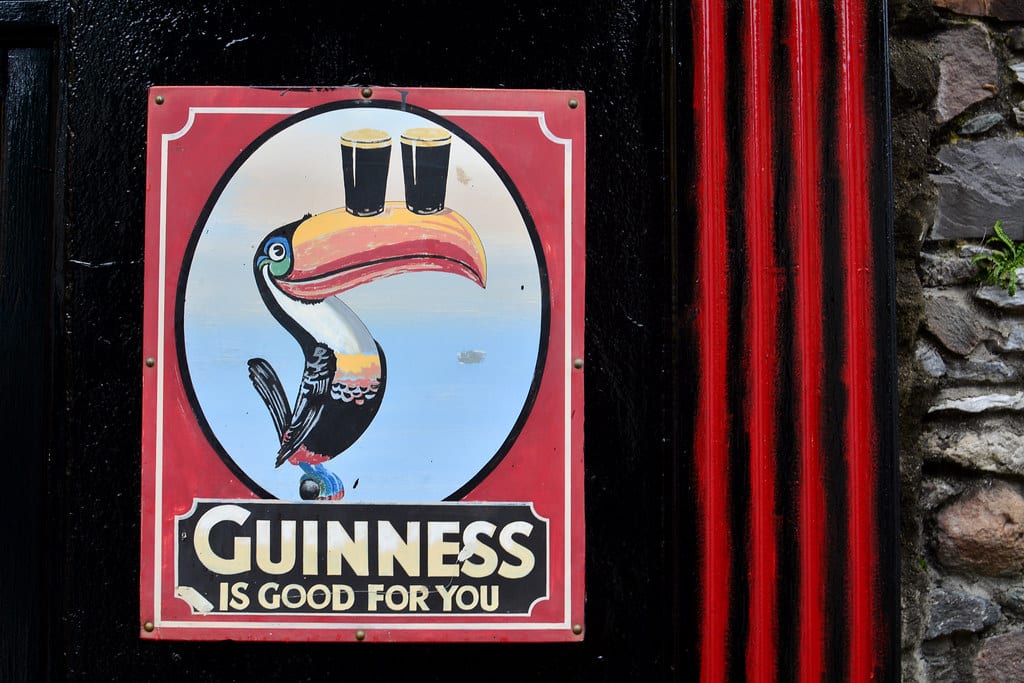
Guinness achieved a significant milestone, selling 2 million pints a day, and introducing its famous slogan, “Guinness is Good For You.”
1936
The first Guinness brewery outside Dublin was established at Park Royal, London.
1950
An impressive 5 million pints of Guinness were enjoyed every day.
1955
The Guinness Book of World Records was published for the first time, becoming a global staple for record-breaking achievements.
1959

Draught Guinness, loved and adored all over the world, was first introduced, revolutionising the way people enjoyed their pints. This was a monumental moment in the history of Guinness.
1962
The first Guinness overseas brewery outside the British Isles was opened in Nigeria, paving the way for international expansion.
1965
The Guinness Brewery is built in Malaysia.
1970
The Guinness Brewery is built in Cameroon.
1988

Draught Guinness in a can is launched. The can features a widget to recreate the creamy surge. As a result, the product won the Queen’s Award for Technological Achievement in 1991.
1997
Guinness and Grand Metropolitan merged to form Diageo.
1999
Guinness Draught in a bottle was launched, offering a new way for people to enjoy Ireland’s beloved stout.
2000

The Guinness Storehouse, aka Home of Guinness, opens its doors to the public in November in Dublin, allowing visitors to immerse themselves in the world of Guinness.
READ: What’s it like inside inside Ireland’s most popular tourist attraction (The Guinness Storehouse)
2008
A remarkable 10 million glasses of Guinness were enjoyed in over 150 countries around the world.
2009
Guinness celebrated its 250th anniversary, a testament to its enduring legacy. As a result, Arthur’s Day celebrations were born.
2012
The “Guinness Made of More” campaign was launched, emphasising the brand’s unique qualities.
2014

Brewhouse 4, a state-of-the-art brewery at St. James’s Gate, Dublin, officially opened. It became one of the world’s most technologically advanced and environmentally sustainable stout breweries.
2015
The Guinness Open Gate Brewery opened its doors to the public, offering a glimpse into the world of experimental brewing.
2017
Guinness changed up its filtration system, thus making it drinkable for vegans! This was a big moment in the history of Guinness.
2021
Guinness 0.0 was launched as well as the groundbreaking Guinness nitrosurge.
2023

New Guinness Brewery Experience Tour offers a behind-the-scenes Look at the Guinness Storehouse. Plus, the Guinness Open Gate Brewery in Chicago opens in September 2023.
Other notable mentions
Dr. Arthur Price (Archbishop of Cashel): Arthur was said to be inspired by his father, Richard, who was employed by Arthur Price, a vicar for the Church of Ireland. His father was in charge of brewing on Price’s Celbridge Estate.
The coat of arms: The Irish government had to alter the trademark of its coat of arms because of Guinness.
Making records: The Guinness Storehouse was actually the first skyscraper in the British Isles.
Your questions answered about the history of Guinness
Who was Arthur Guinness?
Arthur Guinness was the founding figure of Guinness, a visionary brewer who established the St. James’s Gate Brewery in Dublin, Ireland, in 1759.
What is the significance of the harp in Guinness’s logo?
The harp is an emblematic symbol for Guinness, representing Ireland’s rich musical heritage, and was officially registered as a trademark in 1876.
How did Guinness contribute to charitable causes?
Members of the Guinness family, including Sir Benjamin Lee Guinness and Edward Cecil Guinness, made substantial contributions to various charitable causes, encompassing housing for the underprivileged and cultural landmarks.
When was Guinness first brewed outside of Ireland?
The inaugural overseas Guinness brewery was established in Nigeria in 1962, marking the initiation of its international brewing presence.