The Irish are some of the best talkers in the world with our inimitable rhythm and dialect. Dubliners may be the most accomplished of all. If you’re planning a visit, where are ten Dublin slang words you need to know.

If you’re visiting the capital, knowing a few Dublin slang words can make it much easier to understand the locals.
From calling your girlfriend your “mot” to asking someone “story horse?”, here are ten Dublin slang words and phrases you need to know.
10. Deadly – advanced users say “deadly buzz”

This is that some outsiders may be familiar with – like many in this list, it has taken on a second life in Liverpool, that Dubliners’ home from home.
For the uninitiated, it is not a dire warning but an expression of extreme satisfaction, like “wicked”. Someone might tell you that a gig was “deadly”, that the food was “deadly” or that they had a “deadly night” out.
It is also a good example of how Irish slang can leave visitors scratching their heads. If someone tells you your new jacket is deadly, they’re probably not threatening you. They’re giving you a compliment.
9. Banjax – Dublin slang that’s over 100 years old
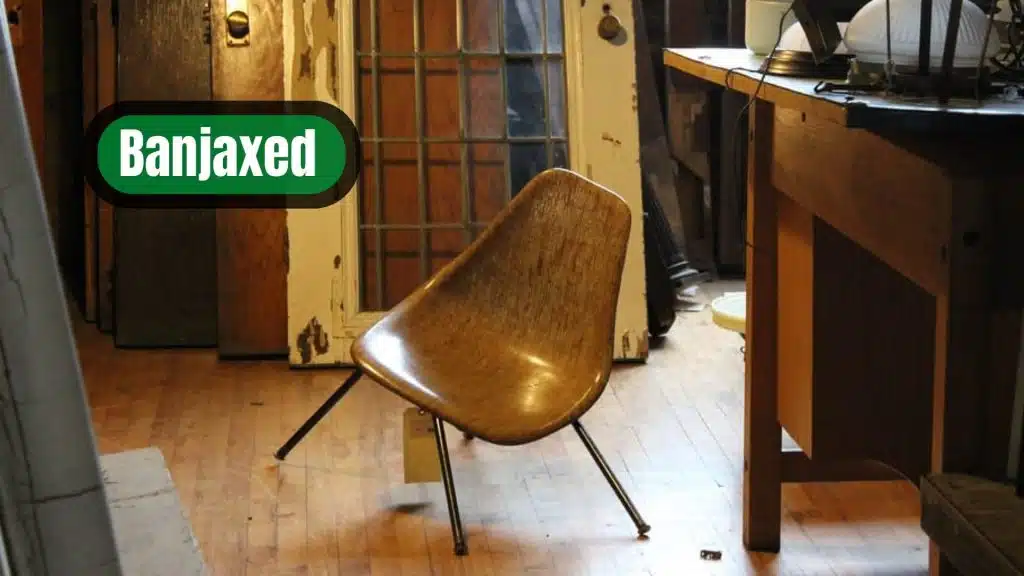
It might sound like some kind of weird hybrid instrument known only to extreme trad-heads, but in fact it means to break or ruin something. it’s usually found in the past tense: “It’s totally banjaxed”
First recorded in 1924/25, it is one of those wonderfully useful Dublin slang words that can be applied to almost anything.
A broken phone can be banjaxed, a ruined plan can be banjaxed and, after a particularly long night, you can even feel completely banjaxed yourself.
8. Yoke – the Dublin slang for “thing”… but vaguer

Not the bit of an egg. Not something heavy to do with farming. In Dublin this is a placeholder word for any item or gadget or person whose name you cannot remember.
Like many Irish slang words, its usefulness comes from its sheer versatility.
7. Story horse? – you wouldn’t even know it’s a question
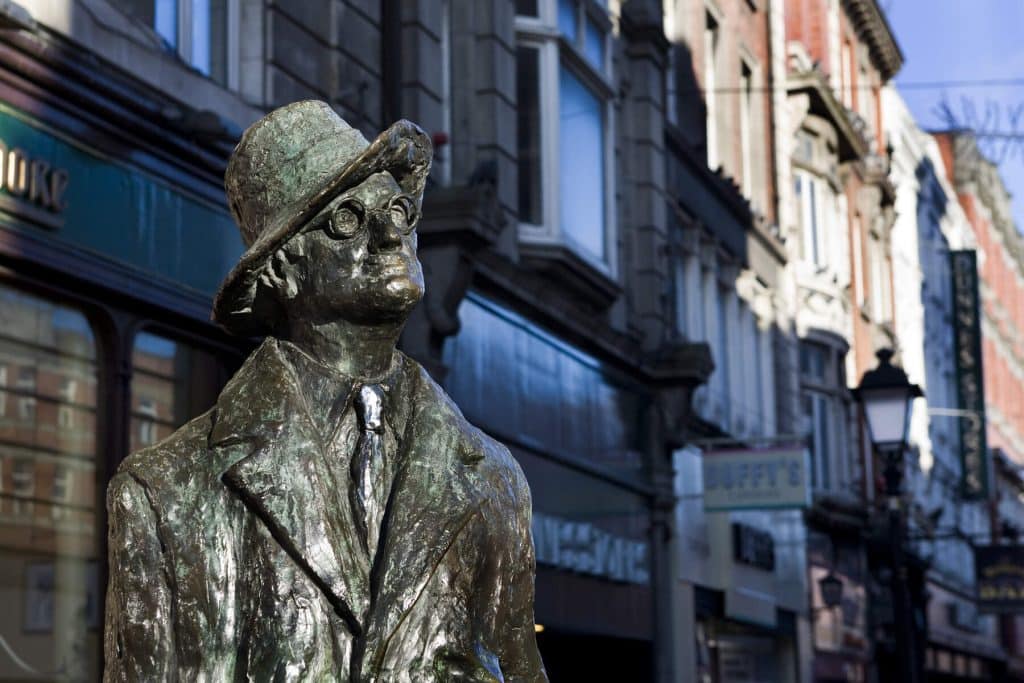
While it may sound like an attraction at a family festival, it is actually a friendly way to ask “How are things with you?” It fills the same role as “Howaya!” while being much less intelligible to outsiders.
It is particularly associated with Dublin’s north inner city, which is no wonder given the number of great pubs in the area.
The phrase is usually delivered casually between friends, so don’t start looking around for an actual horse when somebody asks you “story horse?”. They’re simply asking what’s going on.
6. Dope – not good, not illicit substances… just dope

This word has come full circle in that it now means again what was the primary meaning in times gone by, which is an idiot or buffoon.
To young outsiders informed by hip-hop, this word has come to take on a positive connotation but don’t be fooled: we’ve gone vintage with this one.
So, if a Dubliner calls you a dope, don’t automatically assume you’ve just been complimented.
5. Mot / Mo’ – Dublin slang of ambiguous tone

This Irish slang word is an unusual entry on this list in being slightly gender-specific: it tends to be used among men about women and refers to somebody’s girlfriend.
Whether it’s pejorative or not depends on the speaker: it doesn’t seem to be inherently offensive. That said, it is believed to have its origins in the Gaelic phrase “cailín maith,” meaning good girl.
Again, you either like that kind of thing or you don’t.
4. Bowsie – the iconic Dublin slang word

When someone drops this one into conversation, you know you’re in the presence of a true Dub.
In any city on the world stage there will be a need to describe the sketchy, low-life, rackety, villainous types that fill its darker pubs and alleys. Usually a man. This is ours.
When The Beautiful South sang, “All the men are gargoyles dipped long in Irish stout,” it could have been written to define a bowsie.
3. Aul fella/ Aul wan – warmer than it may sound

These are true Dubliners’ terms of endearment to have been absorbed into the Scouse dialect.
Somehow no other term for your parents never quite captures the warmth, humour, support, and family affection of these.
“So, how’s the aul fella?” is simply asking how your dad is doing. “The aul wan is coming over later” means, well, your mother is coming over later.
Somehow, you couldn’t ask the question in quite that way if you didn’t know the parents personally.
2. Dirtbird – something to aspire to?

This Dublin slang word is a companion piece to “bowsie” which describes a woman with similarly booze-soaked, nocturnal vibes.
In fairness, this is one of the capital’s more comprehensible dialect words – whether you’ve heard it before or not, you understand that it’s not a term you want lobbed in your direction.
The term is often used to suggest a woman with a dirty mind and dirtier jokes. You can’t holiday as a dirtbird: it’s a lifestyle.
1. Bollix – the Swiss Army knife of Dublin slang

This is not only so Dublin but so useful: it has an unparalleled range of meanings in Ireland:
- To make a mess of something: Used as a verb, meaning to ruin or bungle a task (e.g., “He made a bollix of the whole job”).
- An annoying person: Used as a noun to describe someone who is stubborn or difficult (e.g., “He’s a real bollocks!”).
- Nonsense / Lies: Used to dismiss an untruth or rubbish statement (e.g., “That’s complete bollocks!”).
- “Ask me bollix”: A classic Dublin brush-off phrase used as an all-purpose, rude refusal to answer a question or comply with a demand.
- “I will in my bollix”: A forceful way of saying “I definitely will not” do something
It is rude, colourful and extremely versatile – essentially everything you could want from a piece of Dublin slang.
Dublin has no shortage of colourful expressions, and you could probably fill several articles with the words and phrases you will hear around the capital.
Some of these Dublin slang words are distinctly associated with the city, while others are Irish expressions that are particularly common in Dublin.
Either way, knowing a few of them will make conversations with locals considerably easier – and may save you from wondering why someone has just asked you about a horse.