Ireland’s rich history and folklore are encapsulated through its vast array of Irish symbols, each bearing its own unique story and significance.

Symbols and emblems have been woven into the fabric of Irish identity and are seen in everything from ancient manuscripts to modern tattoos.
They serve as a testament to Ireland’s enduring cultural heritage and offer a glimpse into the values, beliefs, and historical events that have shaped the nation.
The Irish Harp, for example, is not only a national symbol but also represents the soul of the Irish people, echoing their love for music and storytelling.
Dating back to medieval times, it continues to be a prominent feature in the official government seals and the presidential flag.
The Shamrock is globally recognised as a symbol of Ireland, largely due to its association with Saint. Patrick, who is said to have used the three-leaved plant to explain the Holy Trinity to the Irish.
Other jewellery from Ireland, including the Celtic Cross and the Claddagh ring, have their own storied histories and meanings rooted in Irish tradition.
The Celtic Cross, with its unique combination of a traditional cross and a ring, suggests the unity of earthly and spiritual elements. Meanwhile, the Claddagh ring, featuring two hands clasping a heart topped with a crown, symbolises love, friendship, and loyalty.
These Irish symbols and their meanings not only offer insight into the cultural fabric of Ireland but also continue to inspire and influence both Irish people and the global community.
Historical Irish symbols – Ireland’s most iconic emblems
Ireland’s rich history has bequeathed a trove of symbols each with deep meanings rooted in its culture and heritage. These symbols represent a range of concepts from loyalty and love to national identity.
The Celtic Cross – one of the most distinctive Irish symbols
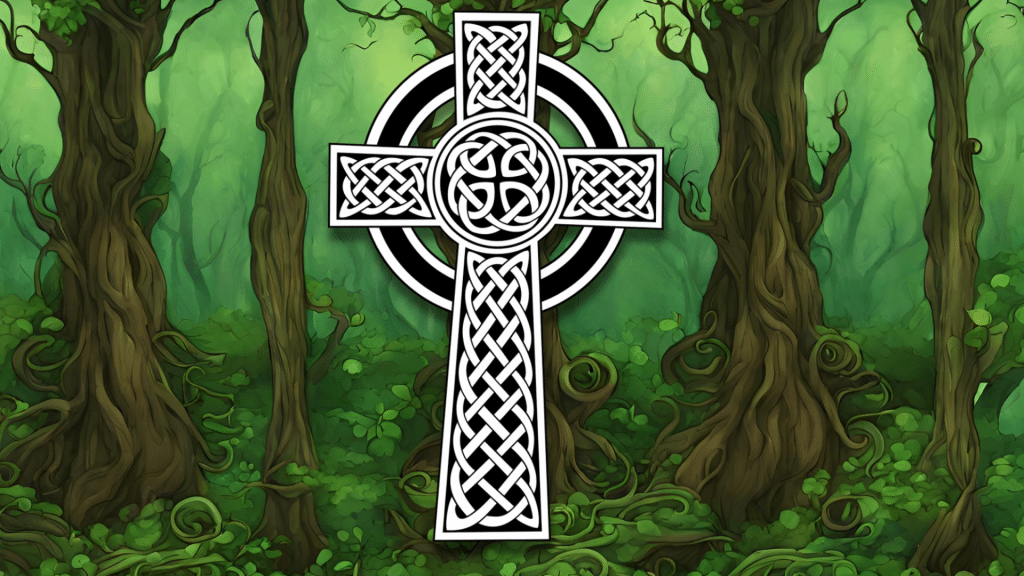
The Celtic Cross, a distinctive Irish emblem, harmonises Christianity’s traditional cross with a circular motif signalling eternity.
It is frequently seen adorning Irish cemeteries as gravestones or standing tall in the form of majestic stone monuments. This symbol transcends its religious origin, becoming an emblem of Irish heritage and identity.
The Claddagh Ring – a symbol of love
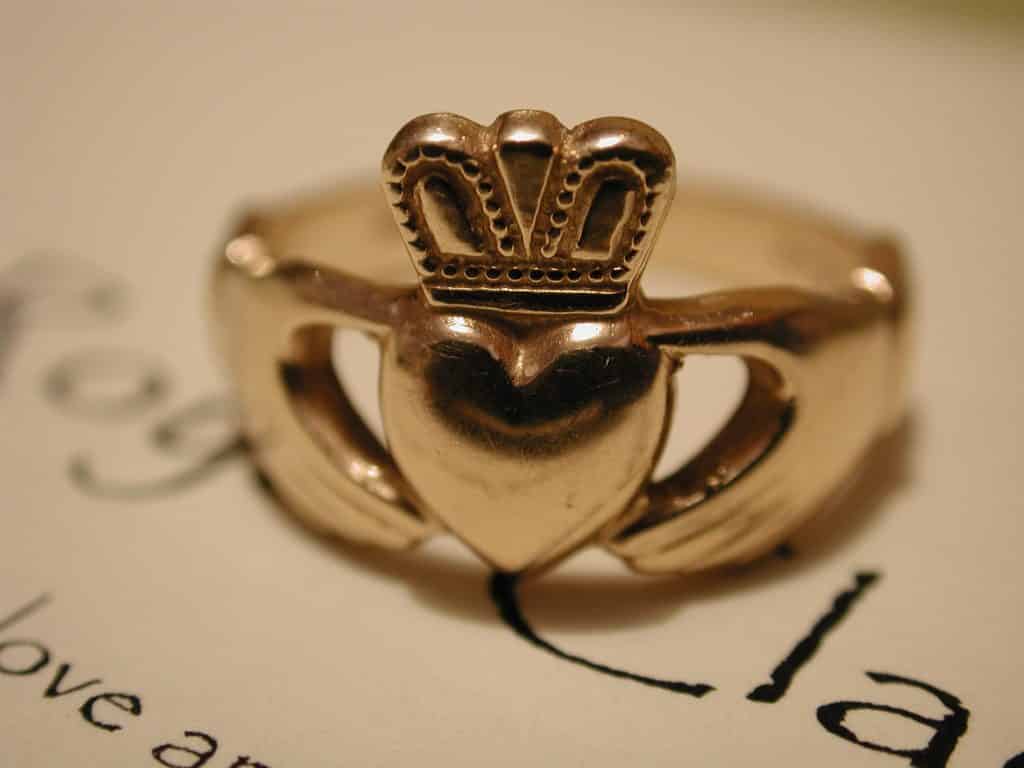
The Claddagh Ring is a quintessential piece of Irish jewellery characterised by two hands cradling a heart, topped with a crown.
Each element signifies an enduring value: the hands represent friendship, the heart epitomises love, and the crown symbolises loyalty.
The ring’s design and how it is worn convey the wearer’s romantic availability.
The Shamrock – a symbol of good luck

The Shamrock, a three-leaved plant, holds profound significance in Irish culture, symbolising the Christian Holy Trinity as taught by Saint Patrick.
Beyond its religious connotation, it stands as an informal emblem for Ireland and its diaspora, especially celebrated on St. Patrick’s Day.
The Harp – a symbol of Ireland’s cultural legacy
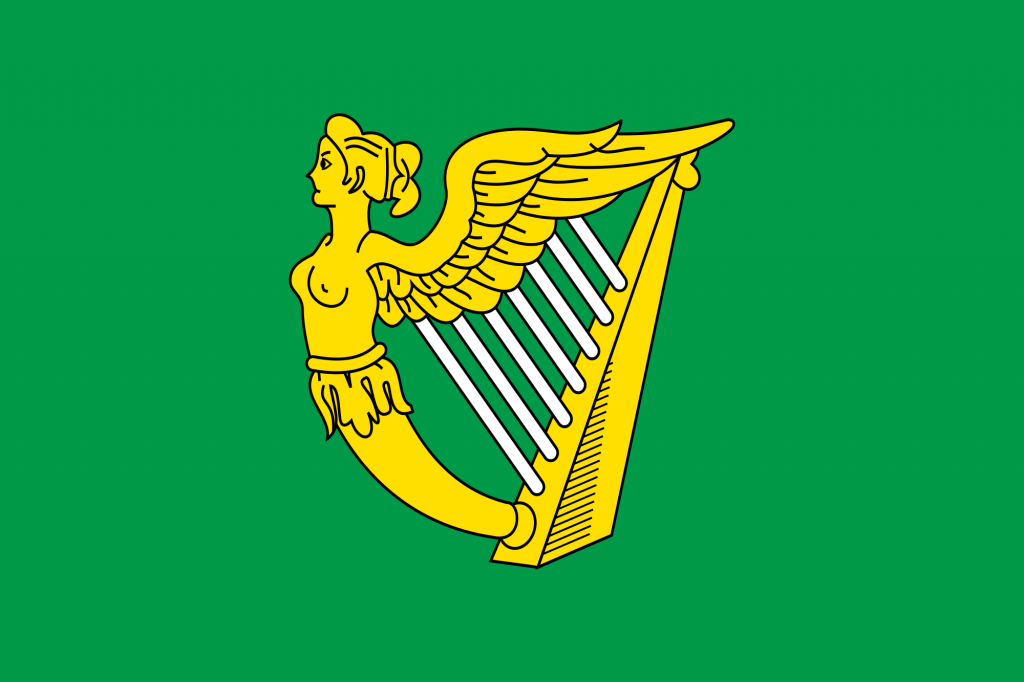
Lastly, The Harp holds a revered spot in Irish history, formerly a favourite among Celtic bardic traditions and now a symbol of the state visible on official documents and the presidential seal.
Its elegance and enduring presence mark it as a timeless representation of the nation’s enduring cultural legacy.
Modern representations and uses – Irish symbols in today’s culture
Irish symbols have transcended their historical origins to become iconic representations in modern culture. They are often incorporated into products and marketing strategies that appeal to both the heritage and identity of Ireland.
Adaptations in jewellery – the perfect Irish gift
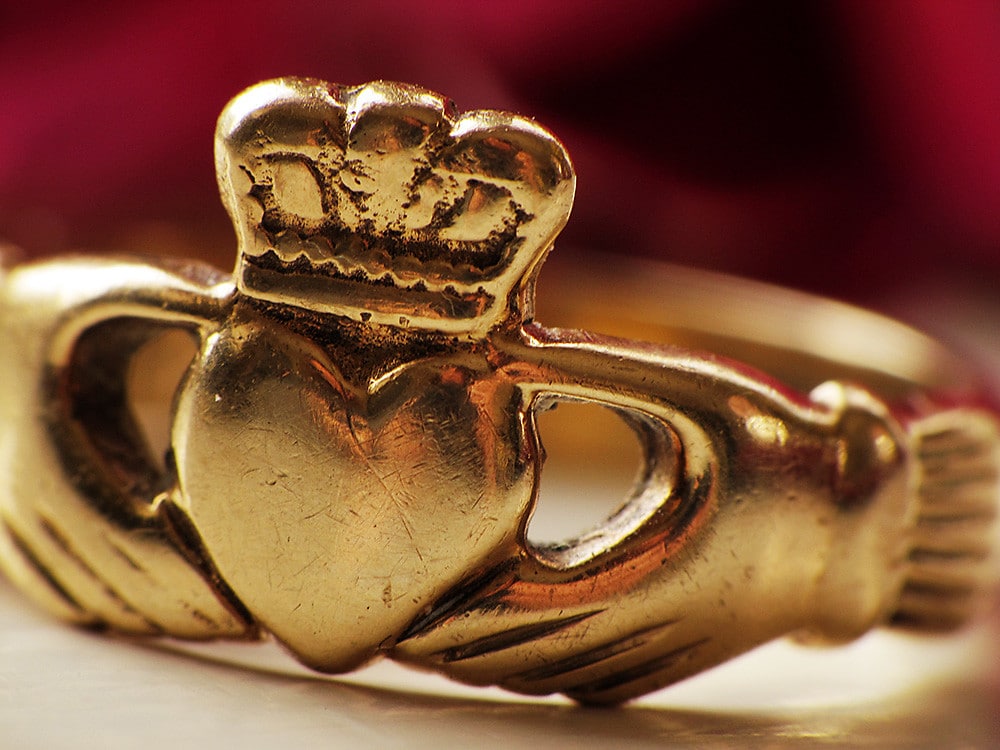
Irish symbols manifest prominently in jewellery designs, reflecting cultural pride and heritage.
The Claddagh ring, representing love, loyalty, and friendship, is frequently given as a gift. It typically features two hands holding a heart topped with a crown.
Artisans have modernised the traditional design with various gemstones and metals to suit contemporary tastes.
Celtic knots and crosses are another mainstay in Irish jewellery. These intricate designs symbolise eternity and the intertwining of paths.
They are crafted into necklaces, bracelets, and rings, often using materials like gold and silver. The adaptability of these symbols allows for their use in both casual accessories and formal wear.
Usage in branding and tourism – a budding industry

In branding, many companies utilise Irish symbols to evoke a sense of authenticity and origin.
The harp, Ireland’s national emblem, is widely recognized on products like Guinness. The symbol signifies refinement and a deep connection to Irish heritage, resonating well with global audiences.
Tourism campaigns often showcase iconic symbols to attract visitors to Ireland. The shamrock, closely associated with St. Patrick’s Day, conveys the welcoming nature of the Irish people.
Similarly, ancient monuments like Newgrange are depicted to illustrate the country’s rich history.
Failte Ireland is the national tourism development authority. It leverages these icons to promote cultural events and locations, emphasising the modern relevance of Ireland’s symbols.
Merchandise ranging from t-shirts to hats frequently showcase these emblems, reflecting both traditional and current interpretations.

Sponsored Content Disclosure
This article is a sponsored feature, and all content and links contained within should be considered promotional in nature. Unless explicitly stated otherwise, links included in this article are to be understood as sponsored. If you are interested in promoting content on our website, kindly refer to our contact page to arrange the elevation of your brand’s visibility.