In Irish folklore, few figures are as unsettling as the banshee, harbinger of death.

If Irish mythology is rich in mythical figures, the banshee is by far the most unsettling. Like many legends, however, some accounts of this folkloric creature, said to announce death, blur the lines between fiction and reality.
Recorded accounts from people who have seen or heard a banshee make this apparition all the more sinister.
The banshee – Ireland’s death messenger in folklore

Originating in Irish folklore, the bean sí (literally “woman of the fairy mound”) is generally regarded as an omen of death. Although her appearance varies from story to story, she is usually described as an old woman-shaped figure who appears in rags.
However, the banshee’s most distinctive feature is not visible. Indeed, the creature is first and foremost recognisable by its blood-curdling scream. While folklore exaggerates its effects, the sound is consistently described as deeply unsettling and mournful.
Although the banshee is not directly responsible for the death, her cry is said to be an omen foretelling the imminent death of someone close to the person who hears it.
The dark history – from tradition to recorded accounts

In many ways, the cry of the banshee is closely associated with the traditional keening (caoineadh), a vocal lament traditionally performed by women at Irish funerals.
In many stories, the banshee, although quite terrifying in appearance and sound, is a mourning figure, grieving the death before it arrives.
Although one of the earliest written references to the banshee appeared in the 14th century in Cathreim Thoirdhealbhaigh, the tradition itself is much older, rooted in oral storytelling.
In older traditions, the banshee was said to appear primarily to a few major Gaelic lineages, most commonly the O’Neills, O’Briens, O’Connors, O’Gradys, and Kavanaghs.
Later on, the banshee’s apparitions and tales are said to have increased during times of war, showing next to rivers, graveyards, fairy forts, and old family estates. The spirit’s shifting appearance and setting make the story harder to grasp and add to the mystery of its possible existence.
Real accounts – strange stories of banshee encounters
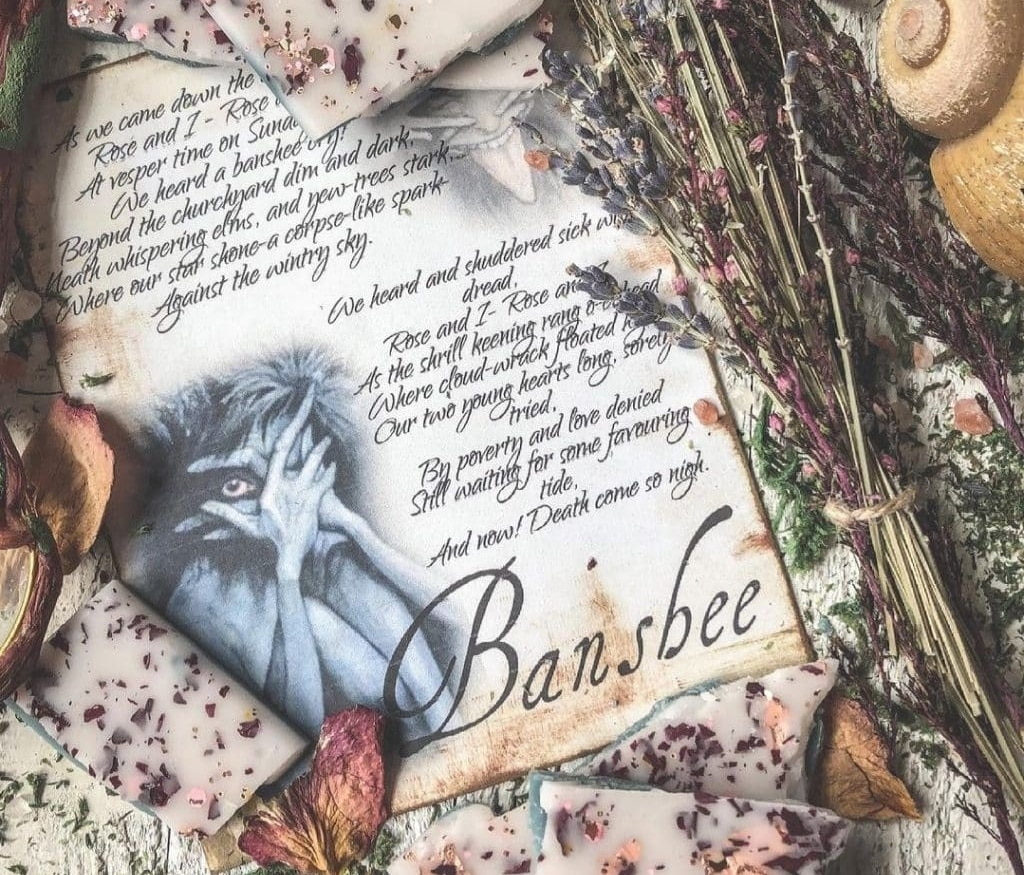
But the debate over the banshee’s existence isn’t new, making it one of Ireland’s most enduring supernatural legends.
Sir Jonah Barrington recounts in his Personal Sketches, a night in 1801, when he and his wife were staying with the British Commander in Ireland, in Dunran, County Wicklow.
In the middle of the night, they were woken by a disembodied cry outside their window. The next morning, they learned a servant named Rossmore had died at 2:30 a.m.
In 1893, The Irish Times published “Where has the Banshee gone?” in the letters section, describing personal encounters with the banshee.
Accounts such as Patrick Farrell’s answered this much-debated question by asserting that the banshee had never gone:
“The stick passed through space, but I heard such a scream as I hope and pray shall never fall on my ears again.” – The Irish Times, 1893
A lasting cultural figure – why the banshee still haunts Ireland today
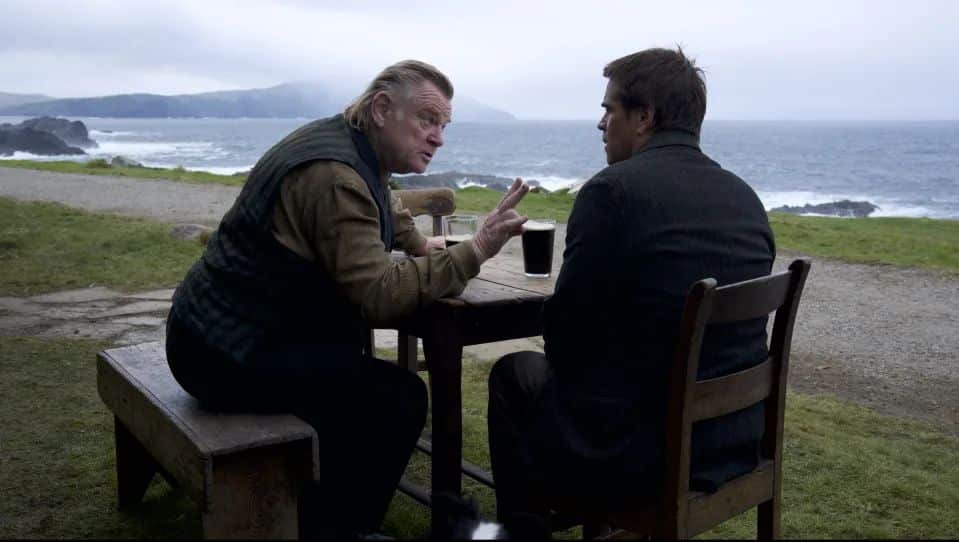
Today, the banshee remains a powerful symbol of Irish folklore and a myth that some Irish people still believe in, often depicted in modern Irish literature and cinema.
The critically acclaimed film The Banshees of Inisherin, shot in Ireland and directed by Martin McDonagh, for example, is a tribute to Irish folklore and the significance of the banshee in Irish culture.
Although the existence of the banshee isn’t quite as hotly debated, in Ireland, superstition is no laughing matter.
Many people feel there is a bit of truth in the stories, and even those who don’t believe in the banshee may still avoid walking alone at night in forests or near old graveyards and won’t tempt the spirit.